
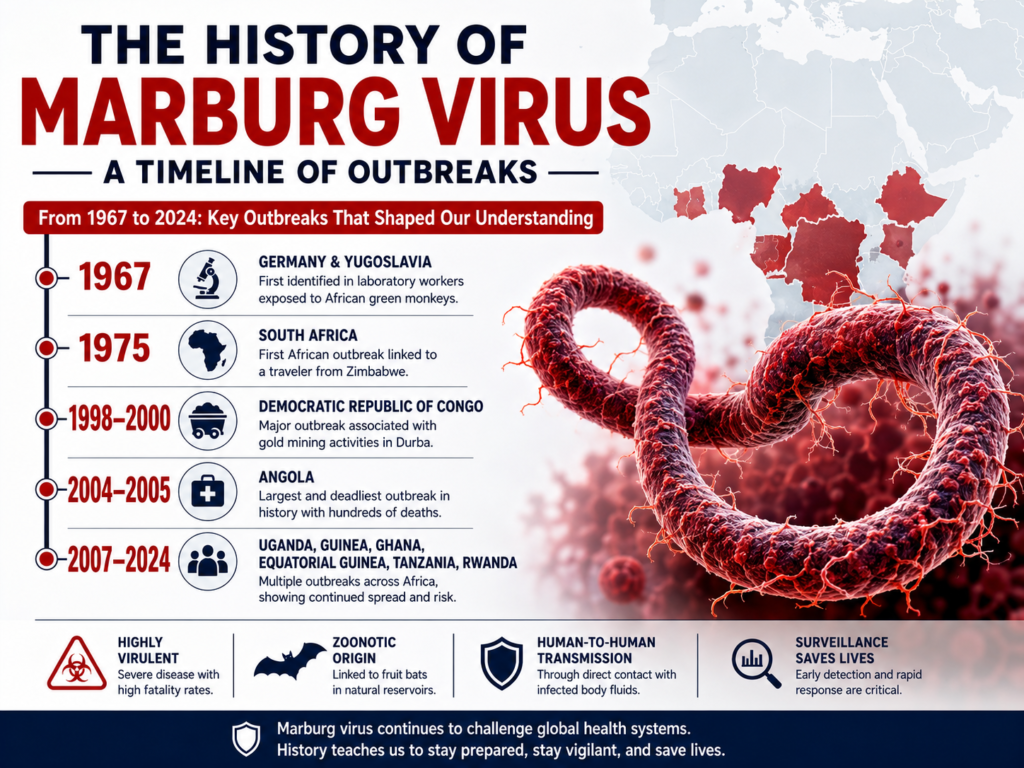
Marburg Virus History: Shocking Timeline of Outbreaks and Global Impact
Introduction Marburg virus disease (MVD) is caused by Marburg virus, a member of the Filoviridae family. It is characterized by
Introduction Marburg virus disease (MVD) is caused by Marburg virus, a member of the Filoviridae family. It is characterized by
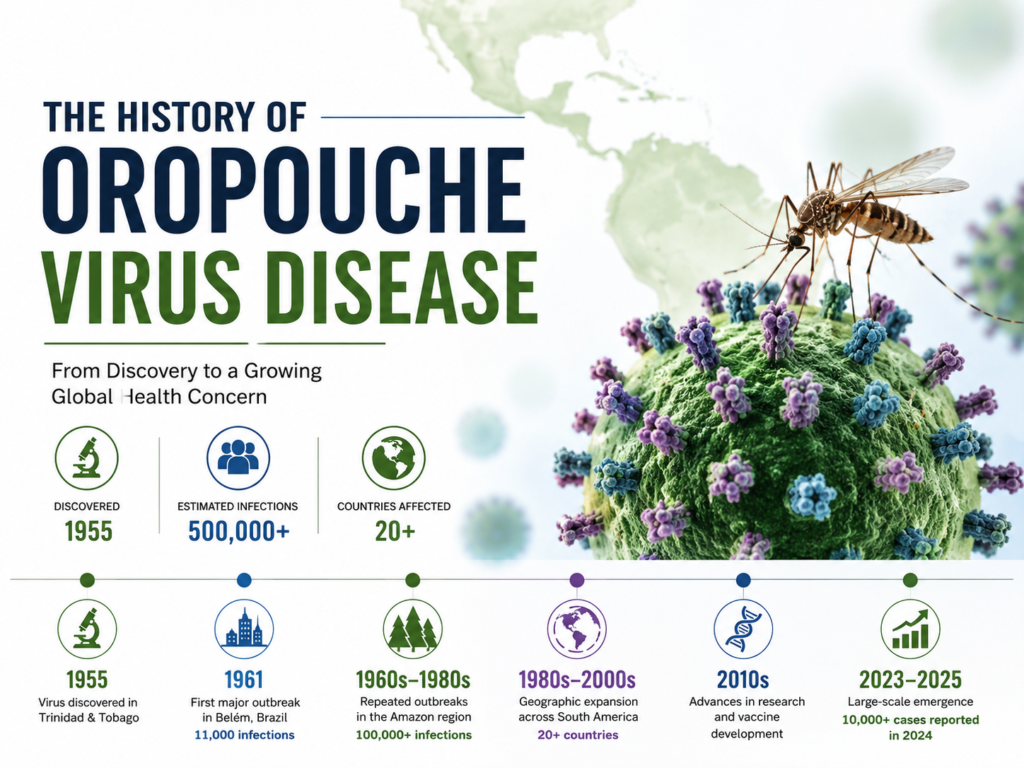
Introduction Oropouche virus disease (OROV) is an emerging arboviral infection caused by Oropouche orthobunyavirus. Although Oropouche virus has remained a

Legionnaires’ disease is a severe form of pneumonia caused by Lagionella pneumophila. Although Legionnaires’ disease was officially identified in 1976,

Introduction and Early Historical Observations (Ancient Times) Imagine losing control of your own body step by step, without knowing why.

A detailed history of Alzheimer’s disease from its discovery in 1906 to modern neuroscience, including WHO and CDC data, pathology, and key research milestones.
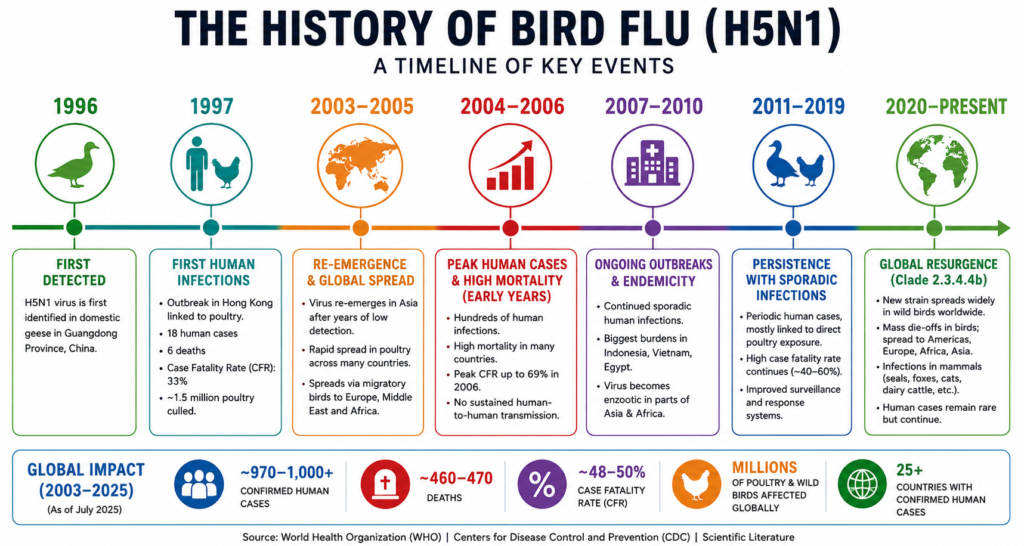
Emergence of Highly Pathogenic H5N1: 1996-1997 H5N1 virus was first identified in domestic geese in Guangdong, China, in 1996. An
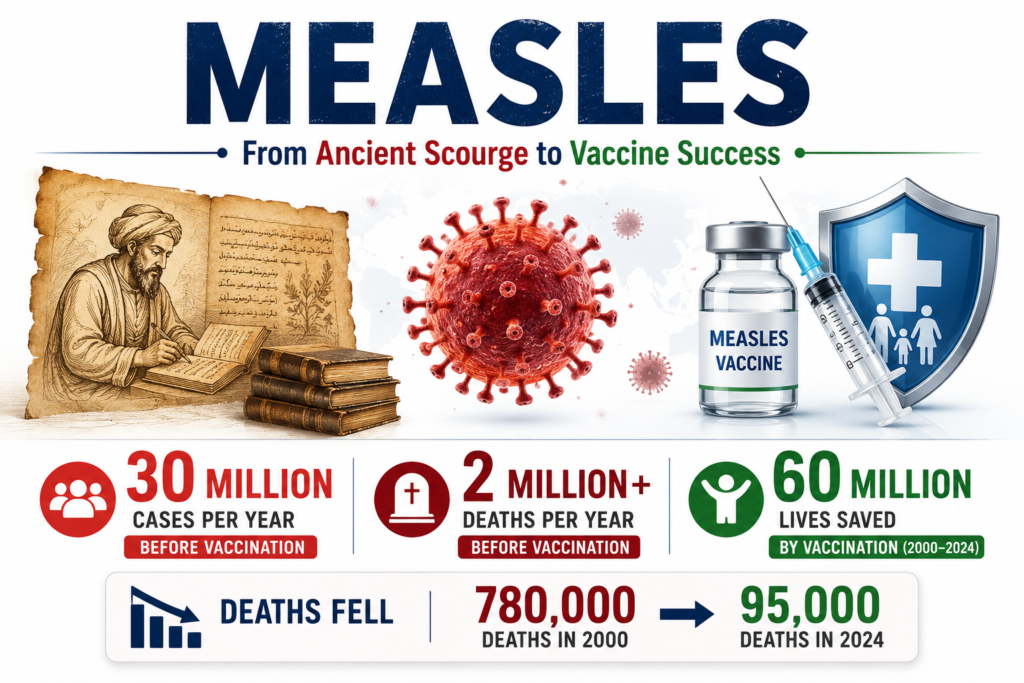
The measles virus, believed to have evolved from rinderpest, has a rich historical context with significant developments in understanding and vaccination. Despite vaccination efforts dramatically reducing mortality, recent outbreaks in regions like Bangladesh illustrate the importance of maintaining high vaccination coverage. Measles remains a serious threat, highlighting past lessons and current challenges.
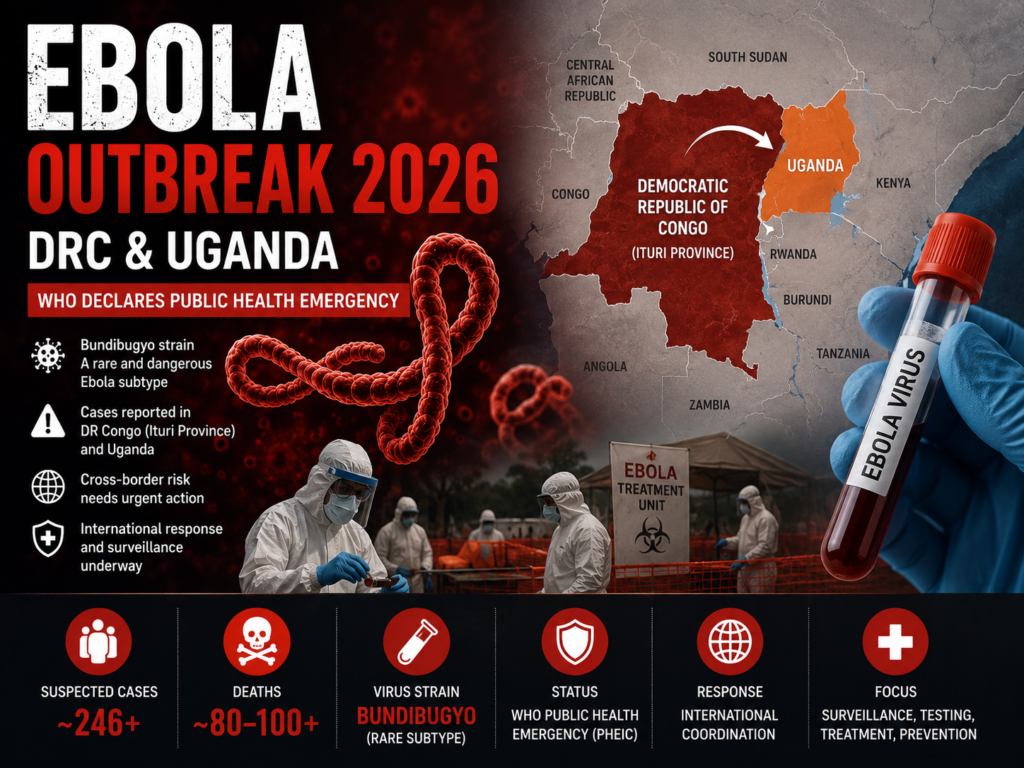
A new Ebola outbreak linked to the rare Bundibugyo strain has emerged in the Democratic Republic of Congo and Uganda, prompting the World Health Organization to declare a public health emergency. With rising suspected cases, deaths, and concerns over cross-border transmission, health authorities are intensifying surveillance, testing, and containment efforts across the region.
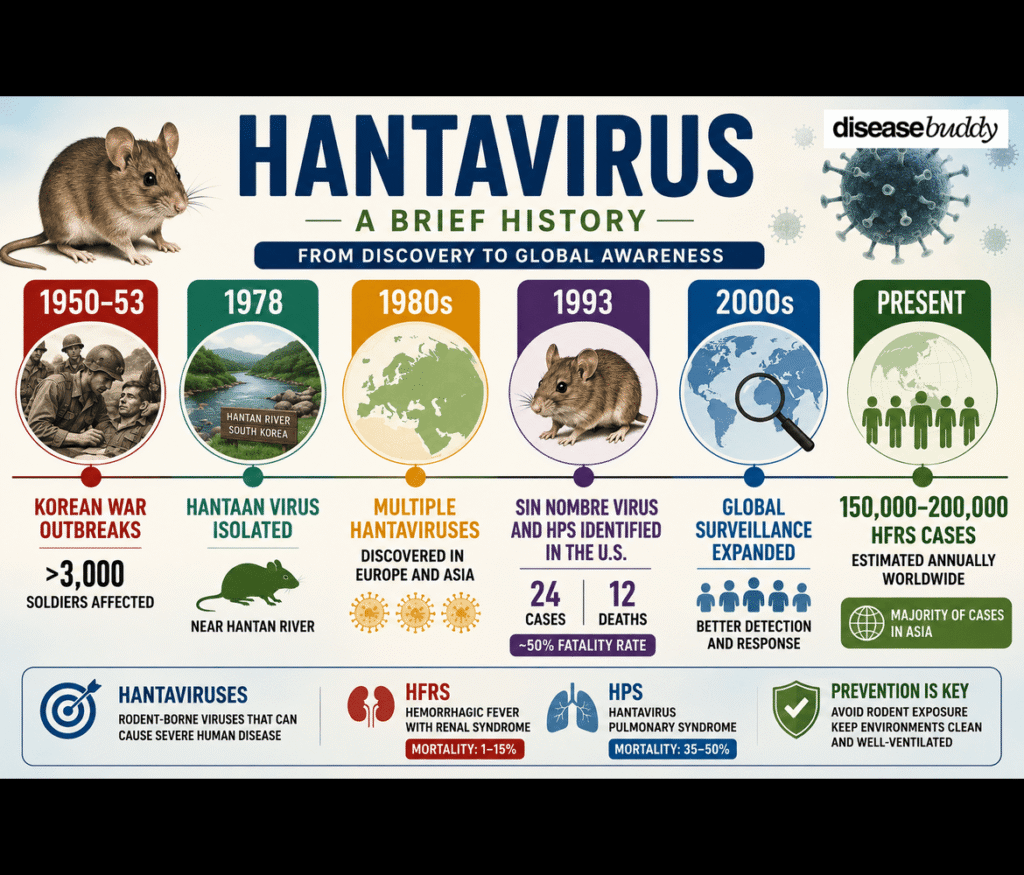
Haemorrhagic Fever with Renal Syndrome (HFRS) has historical roots in ancient texts and was notably recognized during the Korean War in the 1950s. The Hantaan virus was isolated in the 1970s, and various hantaviruses have since emerged globally. HFRS significantly affects Asian countries, with a 1-15% mortality rate, while Hantavirus Pulmonary Syndrome (HPS) has a 35-50% fatality rate.