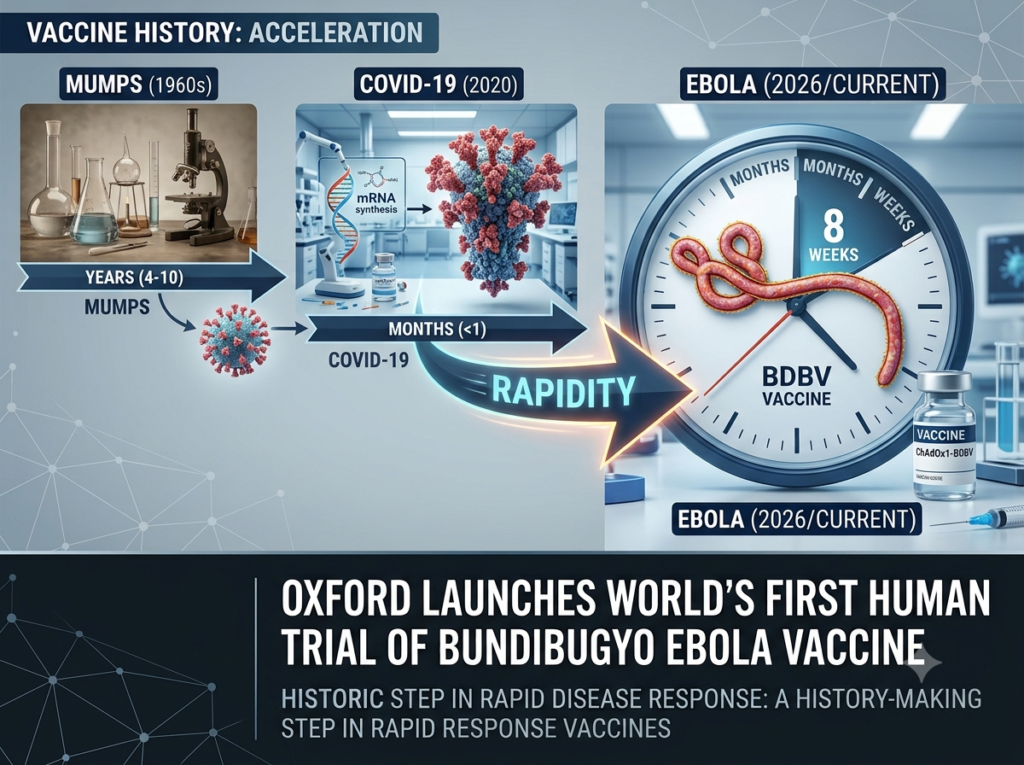
Oxford Launches World’s First Human Trial of Bundibugyo Ebola Vaccine
The University of Oxford has launched the world’s first Phase I clinical trial of a vaccine specifically designed to protect […]
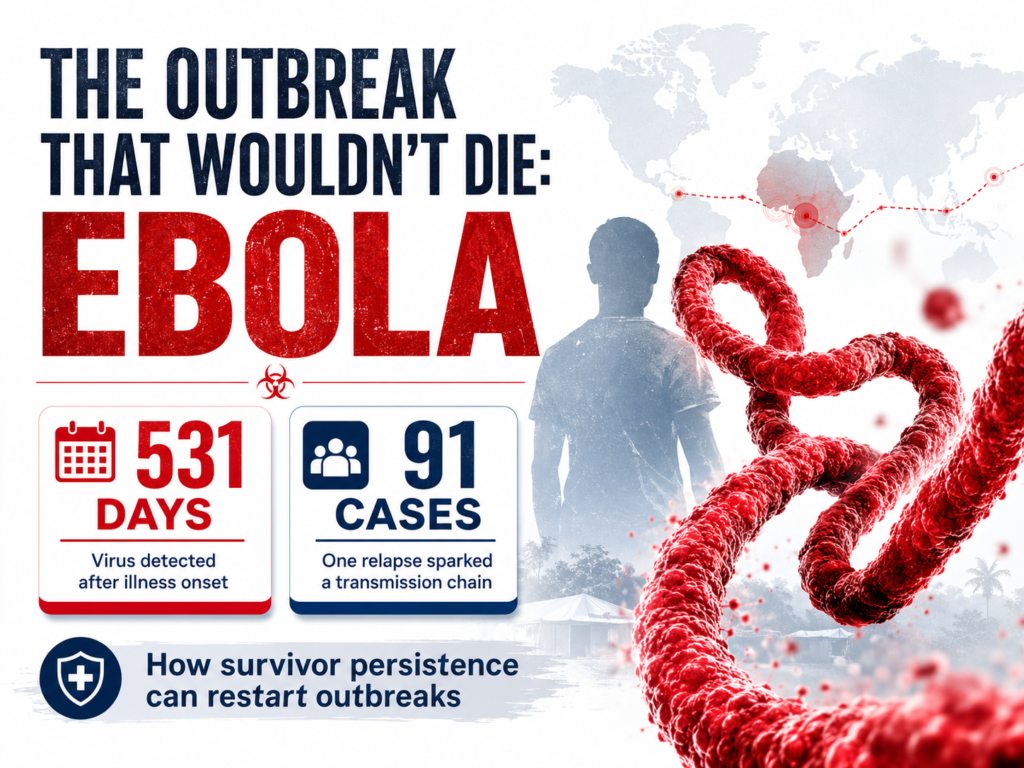
Epidemiologists have found that recent Ebola outbreaks may be linked to the virus re-emerging from human survivors rather than from wildlife. The virus can persist in immune-protected sites, notably semen, for months. A significant percentage of survivors experience long-term health effects, necessitating continued surveillance and testing for ongoing transmission risks.
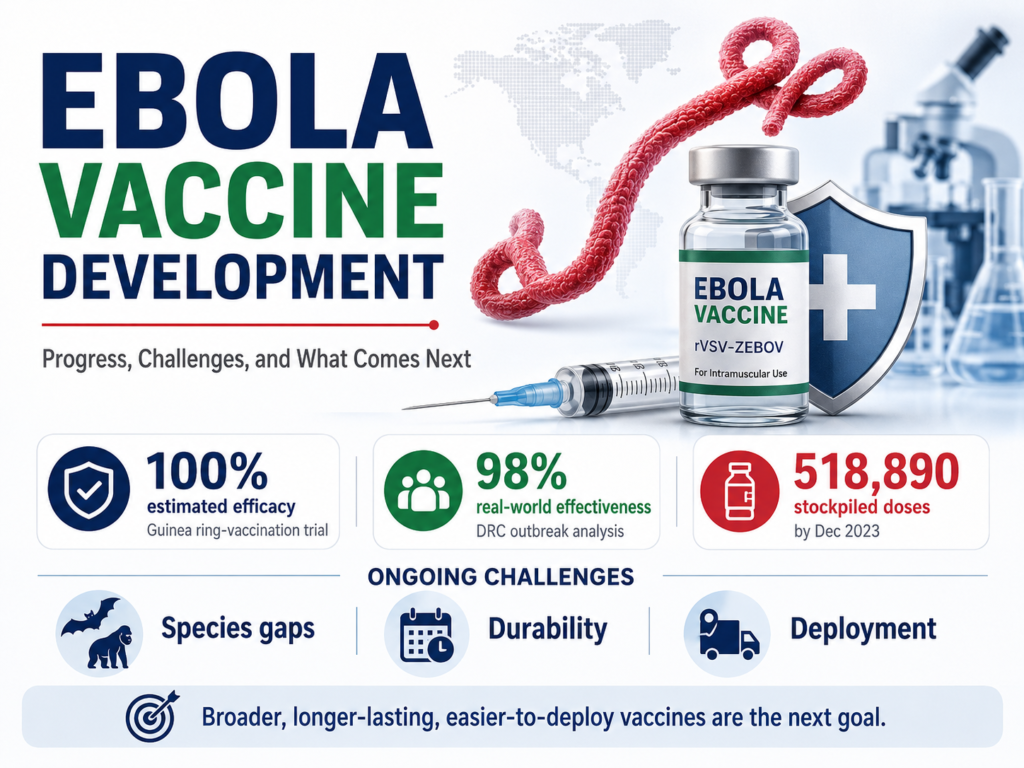
Ebola vaccine development has made major progress, moving from experimental research to licensed vaccines and real-world outbreak control. Yet important challenges remain, including limited protection across all Ebola species, uncertain durability of immunity, and the difficulty of testing vaccines during unpredictable outbreaks.
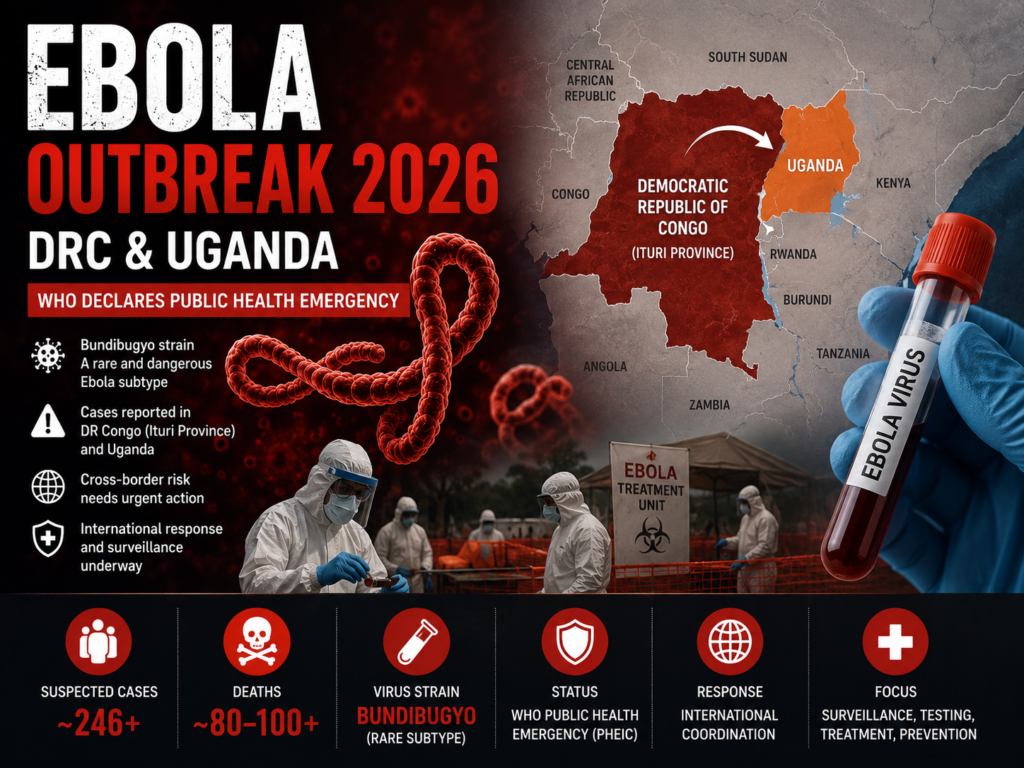
A new Ebola outbreak linked to the rare Bundibugyo strain has emerged in the Democratic Republic of Congo and Uganda, prompting the World Health Organization to declare a public health emergency. With rising suspected cases, deaths, and concerns over cross-border transmission, health authorities are intensifying surveillance, testing, and containment efforts across the region.