
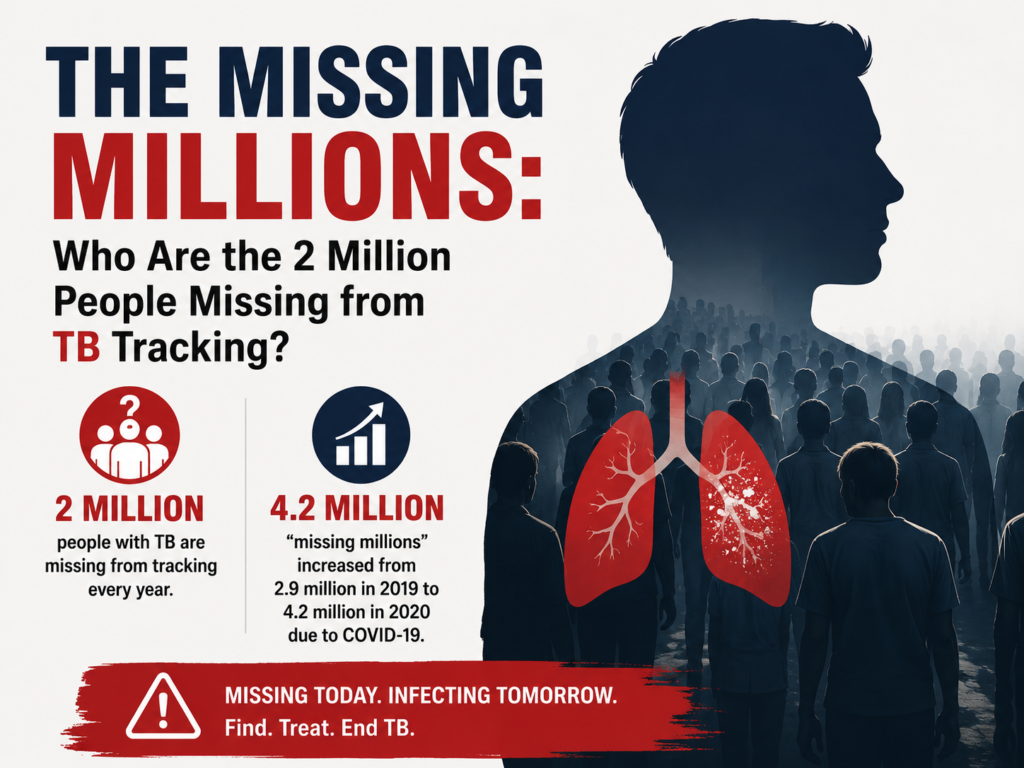
The Missing Millions: Who Are the 2 Million People Missing from TB Tracking?
Introduction: The Mathematical Mystery Tuberculosis (TB) is considered one of the deadliest infectious diseases in the world. According to a […]
Introduction: The Mathematical Mystery Tuberculosis (TB) is considered one of the deadliest infectious diseases in the world. According to a […]
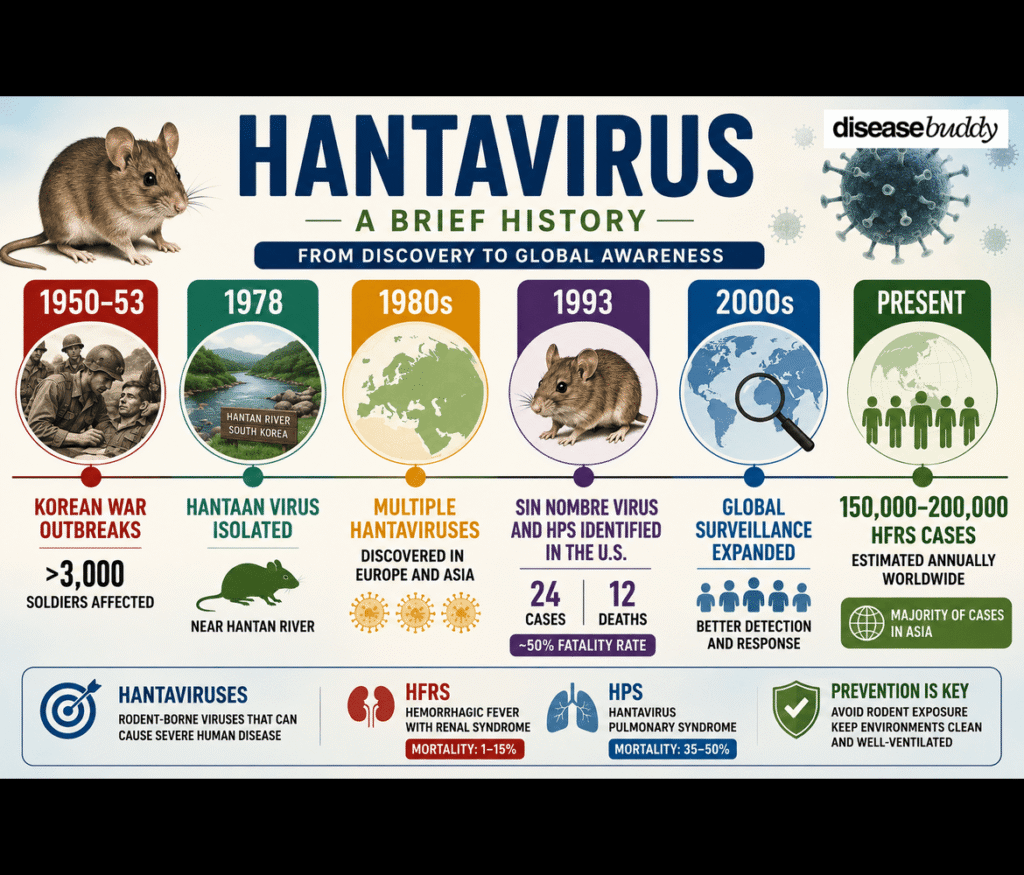
Haemorrhagic Fever with Renal Syndrome (HFRS) has historical roots in ancient texts and was notably recognized during the Korean War in the 1950s. The Hantaan virus was isolated in the 1970s, and various hantaviruses have since emerged globally. HFRS significantly affects Asian countries, with a 1-15% mortality rate, while Hantavirus Pulmonary Syndrome (HPS) has a 35-50% fatality rate.
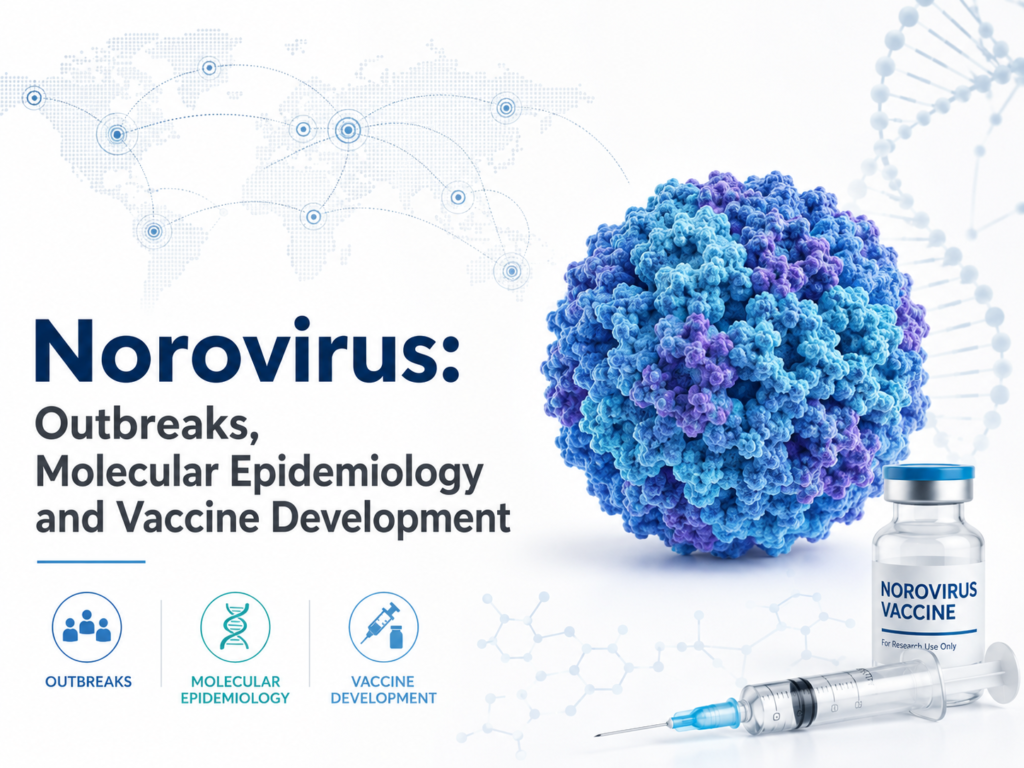
Norovirus was first identified in 1968 during an AGE outbreak in Ohio, later characterized and sequenced in the early 1990s. It causes significant illness globally, particularly in developing regions. Challenges for vaccine development include the virus’s genetic diversity and lack of reliable culture systems. Current research focuses on candidate vaccines targeting multiple genotypes.
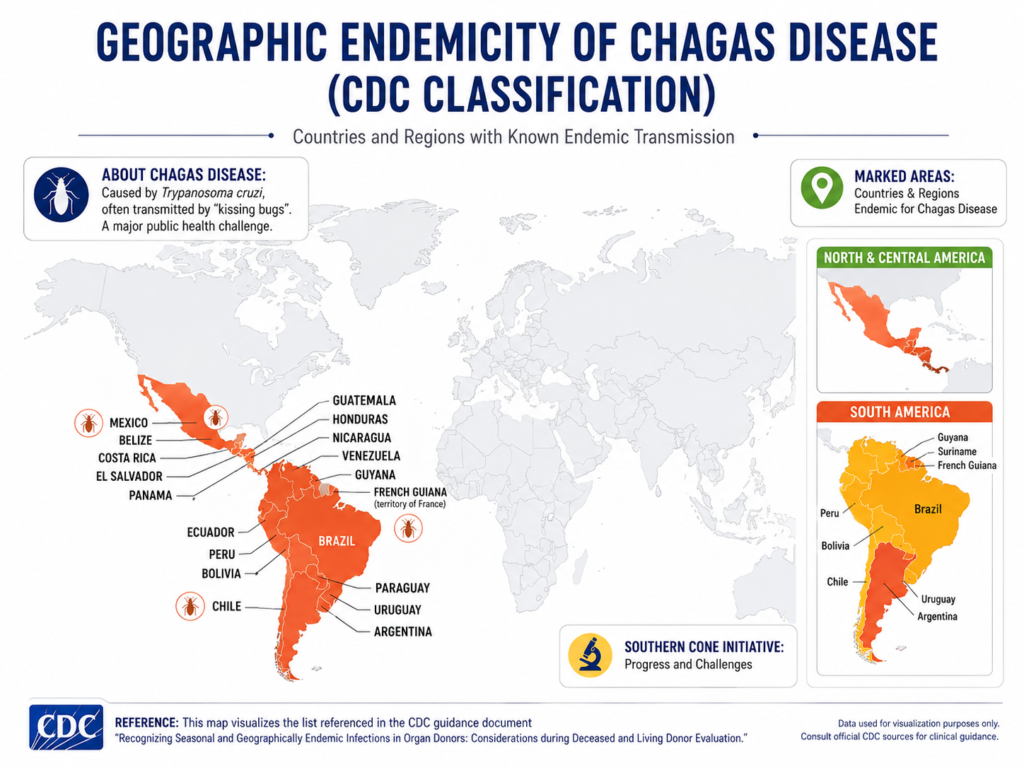
Chagas disease, also known as American trypanosomiasis, is a neglected tropical disease caused by the parasite Trypanosoma cruzi. It affects
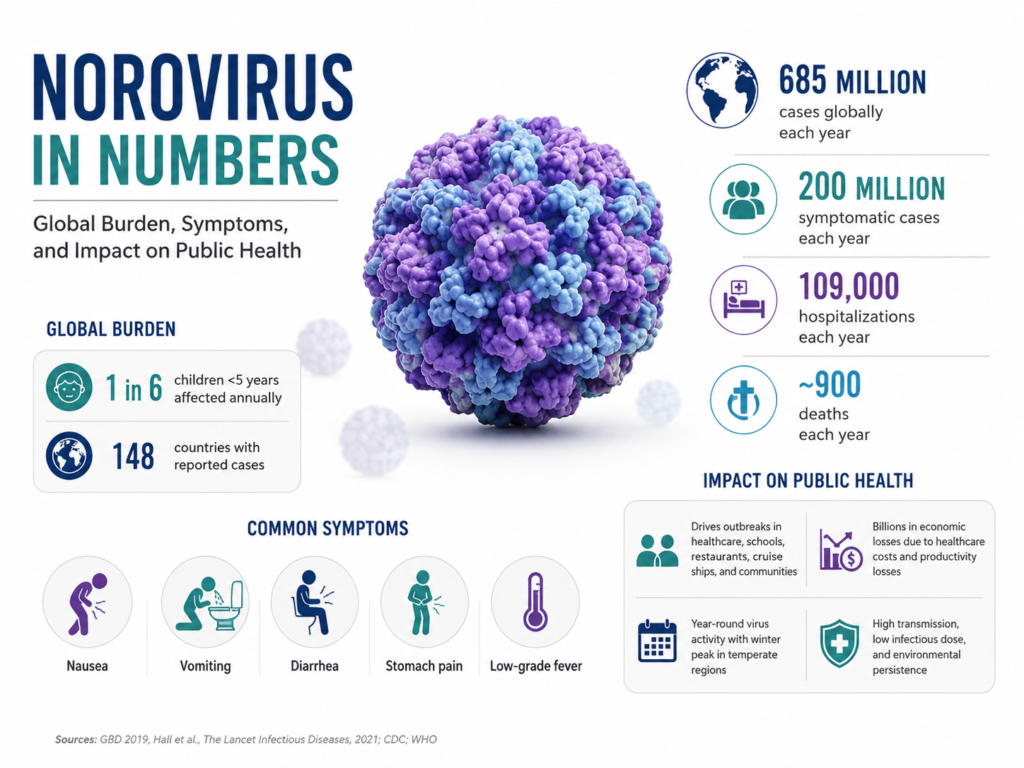
Norovirus is the leading cause of acute gastroenteritis worldwide, causing an estimated 685 million infections and 210,000 deaths annually. It significantly affects young children and developing countries. The economic impact is substantial, costing the U.S. about $2 billion yearly. Effective prevention measures are crucial to combat its high transmission rates and health burden.
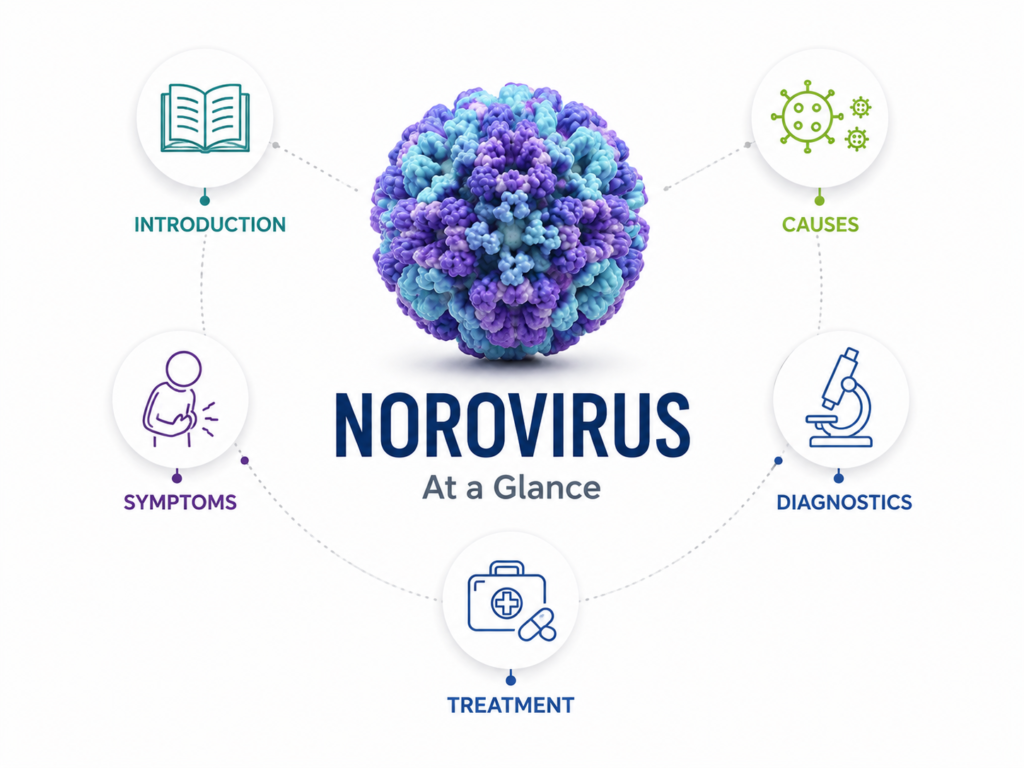
What is Norovirus? Norovirus infection, often referred to as the “winter vomiting bug,” is a highly contagious cause of acute
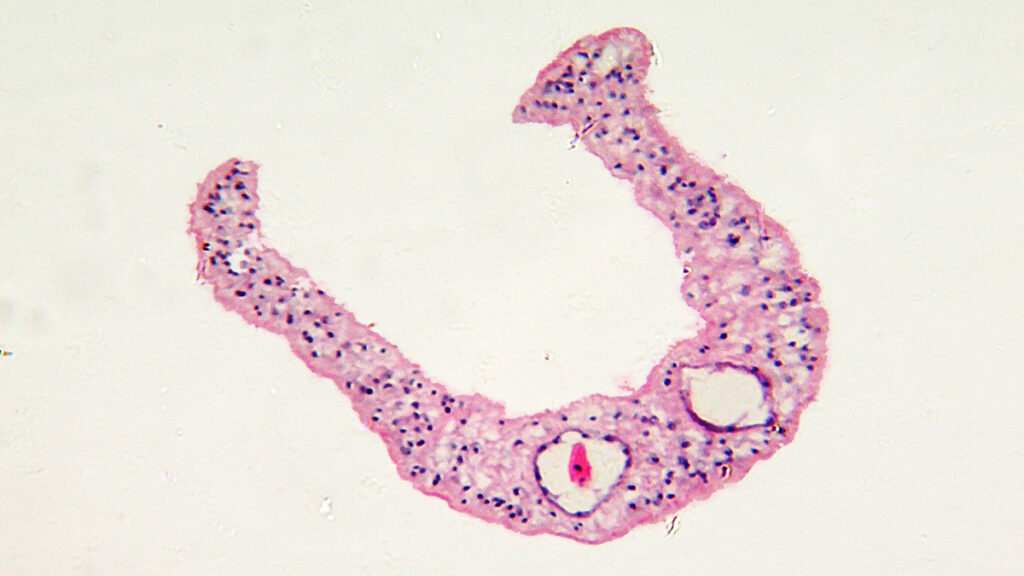
What is Schistosomiasis? Schistosomiasis, also known as bilharzia, is a neglected tropical disease caused by parasitic worms that depend on
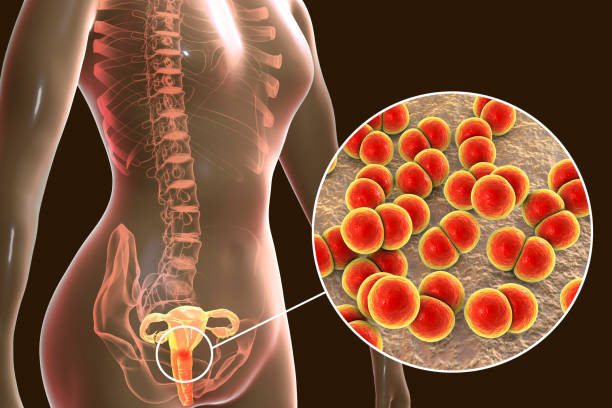
What is Gonorrhea? Gonorrhoea is a common bacterial sexually transmitted infection caused by Neisseria gonorrhoeae, primarily transmitted through vaginal, oral,

What is Pneumonia? Pneumonia is an inflammatory condition of the lungs, most often caused by infection. While the majority of
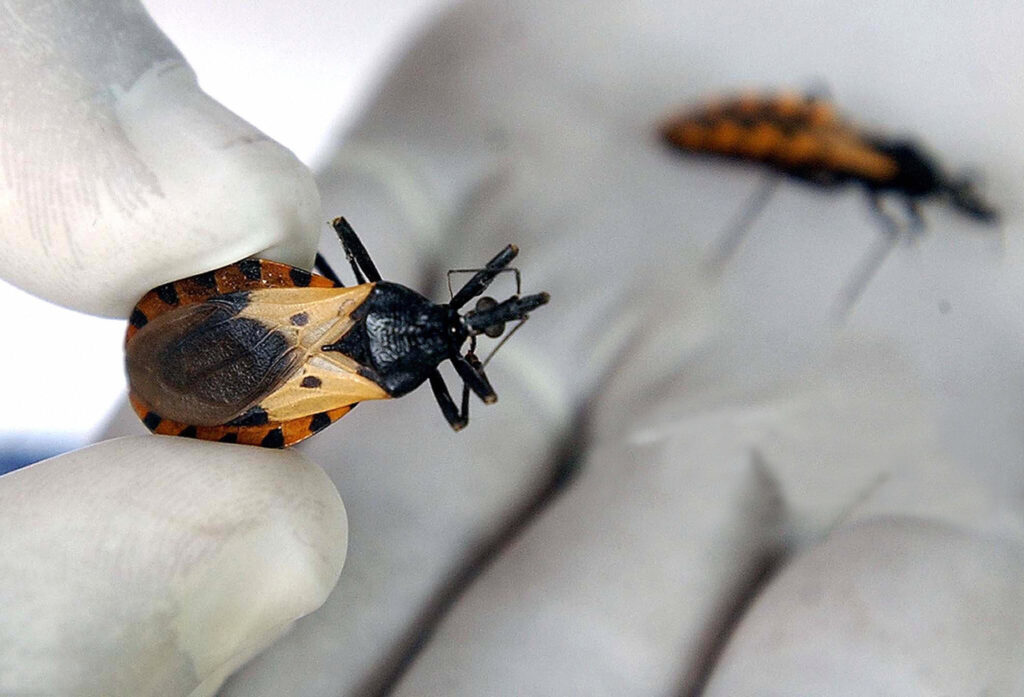
What is Chagas Disease? Chagas disease is a parasitic infection caused by Trypanosoma cruzi, first identified in 1909 by Carlos