What is Pneumonia?
Pneumonia is an inflammatory condition of the lungs, most often caused by infection. While the majority of individuals recover within 2–4 weeks, vulnerable groups, such as infants, older adults, and those with underlying heart or lung disease, are at higher risk of severe illness and may require hospitalization.

What are the causes of pneumonia?
Bacterial causes:
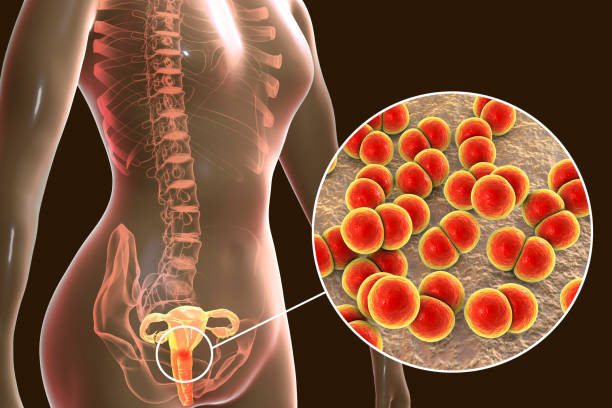
- Common: Mycoplasma pneumoniae, Streptococcus pneumoniae (pneumococcal disease)
- Less common: Chlamydia pneumoniae, Haemophilus influenzae, Legionella (Legionnaires’ disease, Pontiac fever), Bordetella pertussis (whooping cough), and psittacosis
Viral causes:
- Common: COVID-19, influenza, respiratory syncytial virus (RSV), human metapneumovirus (HMPV), human parainfluenza virus (HPIV), and rhinovirus
- Less common: adenovirus, chickenpox, and measles
Fungal causes:
- Relatively rare compared to bacterial and viral infections
Symptoms of Pneumonia
- Chest pain particularly during breathing or coughing
- Altered mental status (e.g., confusion)
- Persistent cough Fatigue or generalized weakness
- Fever and/or chills
- Gastrointestinal symptoms such as nausea, vomiting, or diarrhea
- Shortness of breath (dyspnea)

Diagnostics and Treatment of Pneumonia
Pneumonia diagnosis and management involve a combination of clinical assessment, investigations, and cause-specific treatment.
Diagnosis:
- Medical history and physical examination (including lung auscultation)
- Imaging: chest X-ray or CT scan
- Blood tests to identify infection type
- Sputum (spit) analysis for pathogen detection
- Pulse oximetry to measure oxygen levels
Advanced/Additional tests (if needed):
- Pleural fluid culture
- Arterial blood gas analysis
- Bronchoscopy for direct lung examination and sampling
Treatment (based on cause and severity):
- Bacterial: Antibiotics
- Fungal: Antifungal medications
- Viral: Usually self-limiting; may include antivirals such as Oseltamivir, Zanamivir, or Peramivir
Supportive care:
- Oxygen therapy for low oxygen levels
- Intravenous (IV) fluids to prevent dehydration
- Drainage of pleural effusion (if fluid accumulates around lungs)
Recent Updates
Pneumonia mortality trends show contrasting patterns across age groups over the past three decades. Among children, deaths have declined markedly—from over 2 million annually in 1990 to nearly one-third of that level by 2019—reflecting significant improvements in prevention, diagnosis, and treatment.
In contrast, deaths among individuals aged 70 and above have risen from approximately 600,000 in 1990 to over 1 million in 2019. This increase is primarily attributed to population growth and aging, although the age-specific death rate in this group has shown a slight decline.
References
https://www.nhs.uk/conditions/pneumonia/
https://www.cdc.gov/pneumonia/about/index.html
https://ourworldindata.org/pneumonia
https://my.clevelandclinic.org/health/diseases/4471-pneumonia