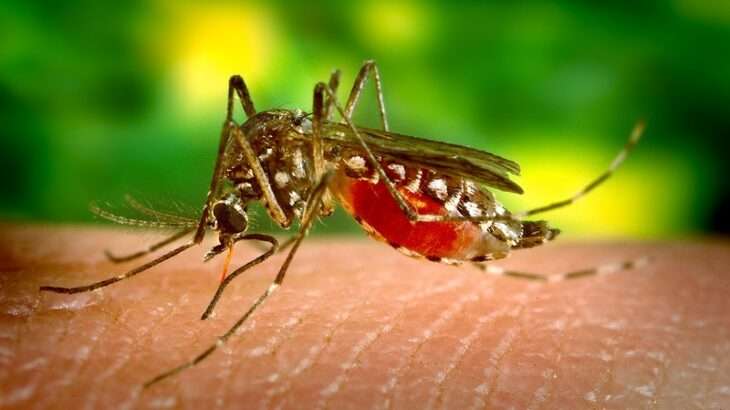
Dengue and chikungunya are mosquito-borne viral diseases that affect millions of people worldwide, particularly in tropical and subtropical regions. Both are transmitted mainly by infected Aedes aegypti and Aedes albopictus mosquitoes and can cause sudden fever, headache, muscle pain, skin rash and joint pain. Because their symptoms overlap, distinguishing between the two infections based on symptoms alone can be difficult. However, important differences exist: dengue is particularly concerning because it can progress to severe disease involving plasma leakage, bleeding and shock, whereas chikungunya is more strongly associated with debilitating joint pain that can persist for months or longer. Understanding these differences is essential for timely diagnosis, appropriate treatment and prevention.
Dengue vs Chikungunya: Comparision Table
| Feature | Dengue | Chikungunya |
|---|---|---|
| Causative virus | Dengue virus (DENV), a flavivirus | Chikungunya virus (CHIKV), an alphavirus |
| Main mosquito vectors | Aedes aegypti and Aedes albopictus | Aedes aegypti and Aedes albopictus |
| Typical incubation period | Usually 4-10 days | Usually 4-8 days |
| Onset of fever | Often sudden, with high fever | Often sudden, with high fever |
| Joint pain | Can occur, often alongside muscle and bone pain | Often prominent, severe and potentially debilitating |
| Joint swelling or arthritis | Less characteristic than in chikungunya | More characteristic; joint inflammation may occur |
| Bleeding manifestations | More characteristic; may include nose or gum bleeding and other haemorrhagic manifestations | Possible, but less characteristic |
| Low platelet count | Commonly associated with dengue and may be pronounced in severe illness | Can occur, but is generally less characteristic |
| Warning signs of severe disease | Persistent vomiting, severe abdominal pain, bleeding, fluid accumulation, lethargy or restlessness, and signs of circulatory compromise | Severe or unusual complications can occur; persistent joint pain and inflammation may be major concerns |
| Major complications | Severe dengue can cause plasma leakage, shock, severe bleeding and organ impairment | Persistent joint pain or arthritis; less commonly, neurological, cardiac or eye complications |
| Duration of symptoms | Many people recover within 1-2 weeks, although fatugue may persist | Acute symptoms often improve within days to a week, but joint pain may last weeks, months or occasionally years |
| Diagnosis | Blood tests, including molecular testing or antigen detection early in illness and antibody testing at appropriate stages | RT-PCR during the early phase or antibody testing later, depending on the stage of illness |
| Specific antiviral treatment | No specific antiviral treatment; supportive care and careful monitoring are central | No specific antiviral treatment; supportive care and pain management are central |
| Pain relief considerations | Avoid aspirin and NSAIDs when dengue is suspected because of bleeding risk; follow clinical advice | Paracetamol is generally preferred until dengue has been ruled out; NSAIDs may be considered afterward if appropriate |
| Prevention | Prevent mosquito bites and eliminate mosquito breeding sites | The same core mosquito-control measures apply |
Global Burden
The global burden of dengue has increased substantially over recent decades. According to the WHO, reported dengue cases rose from 505,430 in 2000 to approximately 14.6 million in 2024, the highest annual total recorded at that time, with more than 12,000 reported dengue-related deaths. Chikungunya also continues to cause major outbreaks. Between 1 January and 30 September 2025, the WHO recorded 445,271 suspected and confirmed chikungunya cases and 155 deaths across 40 countries. These figures demonstrate the international public health importance of both diseases, although they should not be interpreted as a direct comparison of disease incidence or severity because the reporting periods, surveillance systems and case-detection methods differ.
Diagnosis, Treatment and Prevention
Despite their clinical similarities, dengue and chikungunya require careful clinical assessment because misdiagnosis can affect patient management. Laboratory tests, including molecular tests and antigen or antibody detection, can help distinguish the infections depending on the stage of illness. There is no specific antiviral treatment for either disease, so management focuses on supportive care, hydration and symptom relief.
An important safety consideration is that aspirin and non-steroidal anti-inflammatory drugs (NSAIDs), such as ibuprofen, should be avoided when dengue is suspected because they can increase bleeding risk. Paracetamol is generally preferred for fever and pain until dengue has been ruled out or a clinician advises otherwise. Preventing mosquito bites, removing standing water and controlling mosquito breeding sites remain essential measures for reducing transmission of both infections.
References
World Health Organization. Chikungunya. Updated 14 April 2025. Read the WHO fact sheet.
Centers for Disease Control and Prevention. Clinical Signs and Symptoms of Chikungunya Virus Disease. Read CDC clinical guidance.
World Health Organization. WHO guidelines for clinical management of arboviral diseases: dengue, chikungunya, Zika and yellow fever. 2025. Read the clinical comparison tables.
Centers for Disease Control and Prevention. Dengue: Clinical Signs and Symptoms. Read CDC dengue guidance.
World Health Organization. Dengue and severe dengue. Read the WHO fact sheet.