
Introduction: What is chikungunya?
Chikungunya is a mosquito-borne viral disease caused by the chikungunya virus (CHIKV). It is characterised by the sudden onset of fever and often severe joint pain, which can interfere with walking, working and everyday activities.
The virus belongs to the genus Alphavirus within the family Togaviridae. The name chikungunya comes from the Kimakonde language of southern Tanzania and refers to the stooped posture sometimes adopted by people experiencing severe joint pain. The disease was first identified during an outbreak in what is now Tanzania in 1952, and the virus was isolated in 1953. Since then, chikungunya has spread across Africa and Asia and has caused major outbreaks in the Indian Ocean region, the Americas and other parts of the world. The World Health Organization (WHO) reports that the virus has been identified in more than 110 countries and territories.
Chikungunya is transmitted mainly by infected female Aedes aegypti and Aedes albopictus mosquitoes. These mosquitoes can also spread dengue and Zika viruses, which partly explains why the diseases often occur in the same regions and why their symptoms can be difficult to distinguish. Increasing international travel, the spread of mosquito populations and environmental changes that influence mosquito habitats have contributed to the expansion of chikungunya into new areas.
What causes Chikungunya?
The direct cause of chikungunya is infection with chikungunya virus (CHIKV), an enveloped virus containing a positive-sense, single-stranded RNA genome. After entering the body through an infected mosquito bite, the virus infects susceptible cells and replicates. The resulting infection and immune response contribute to the fever, muscle pain and inflammation associated with the disease. Research has also demonstrated the virus’s ability to affect tissues associated with joints, helping explain why musculoskeletal symptoms can be particularly prominent and prolonged.
How is Chikungunya transmitted?
The main transmission cycle involves mosquitoes and humans:
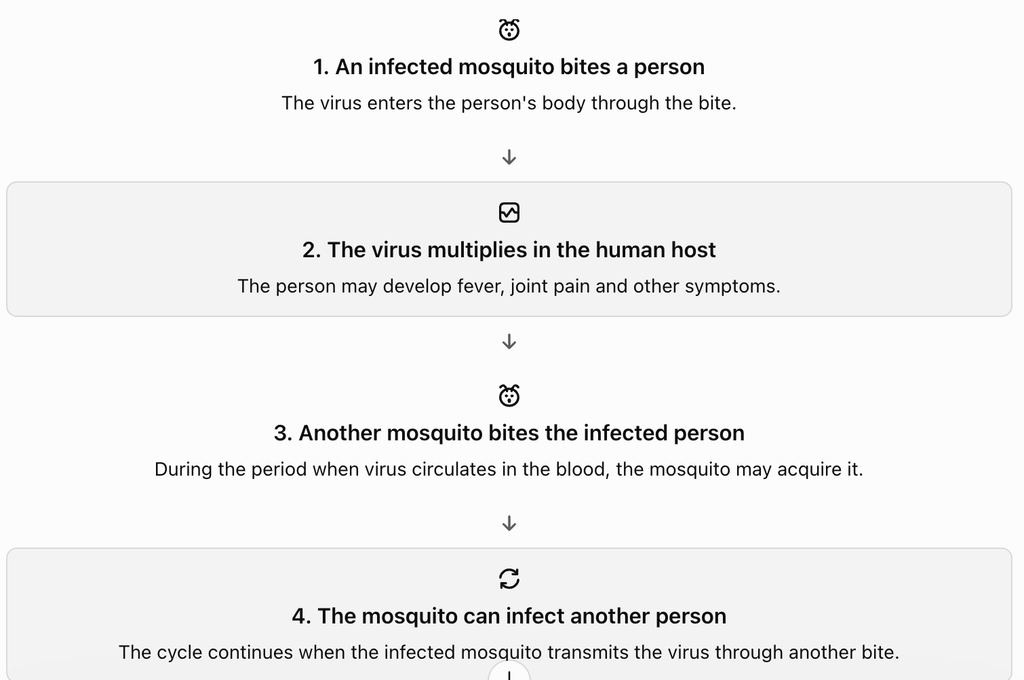
Unlike infections that spread primarily through coughing, sneezing or casual contact, chikungunya is transmitted predominantly through mosquito bites. Rare mother-to-child transmission can occur, particularly when a pregnant person is infected close to delivery. Infected people can also infect mosquitoes during the early phase of illness, so preventing mosquito bites during this period is important.
Factors that contribute to outbreaks
Several factors influence the likelihood and scale of chikungunya outbreaks:
- Mosquito distribution: The presence of Aedes aegypti or Aedes albopictus allows local transmission when the virus is introduced.
- Standing water: Water in containers, discarded tyres, flowerpots and uncovered tanks can provide breeding sites.
- Population immunity: Communities with little previous exposure may be vulnerable to rapid spread.
- Travel and urbanisation: Infected travellers can introduce the virus into areas where competent mosquito vectors are established.
- Environmental and climatic conditions: Temperature, rainfall and other ecological factors influence mosquito survival, reproduction and viral transmission.
Viral genetic changes have also helped certain strains adapt to particular mosquito species. However, the contribution of each factor varies by outbreak, and climate change should not be treated as the sole explanation for chikungunya’s spread.
Symptoms of Chikungunya
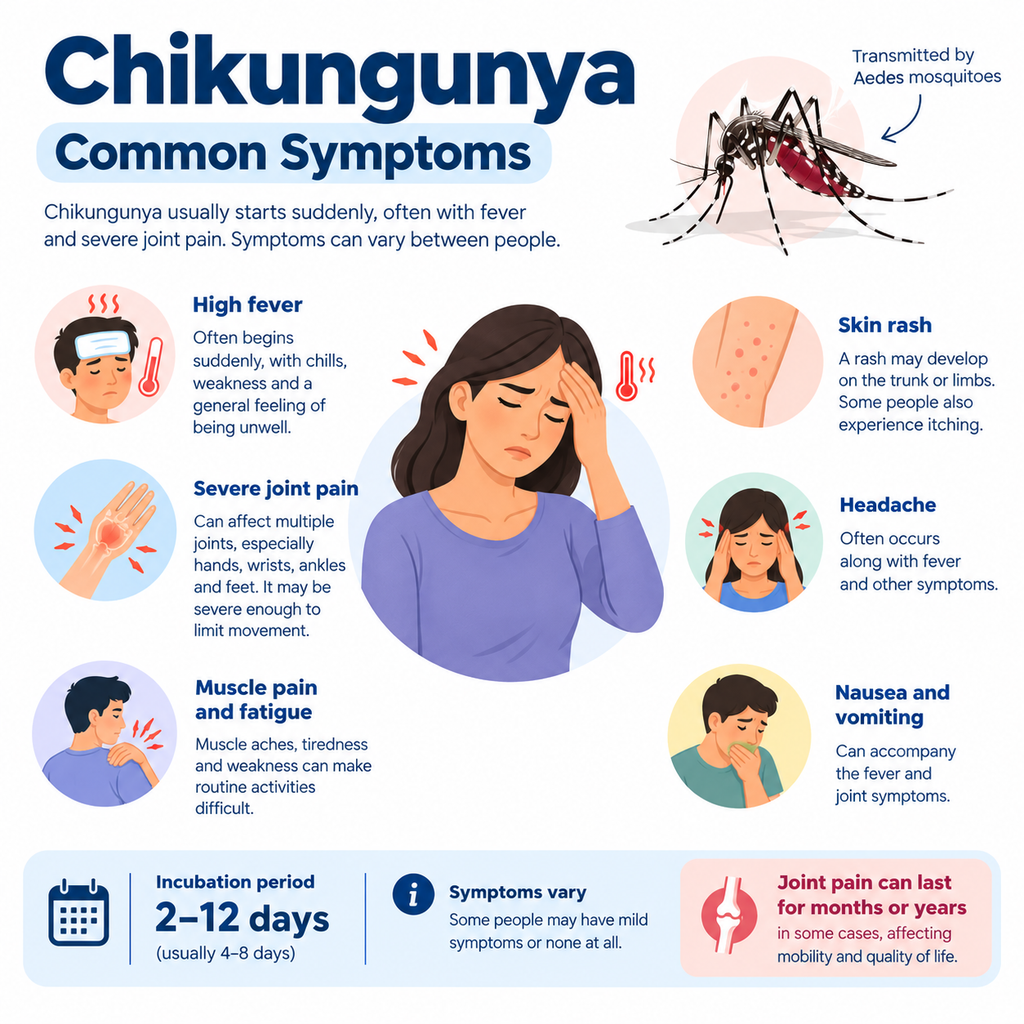
Symptoms usually appear 4–8 days after the bite of an infected mosquito, although the incubation period can range from 2 to 12 days. Some infected people have mild or no recognisable symptoms, while others develop an abrupt and debilitating illness.
Common symptoms
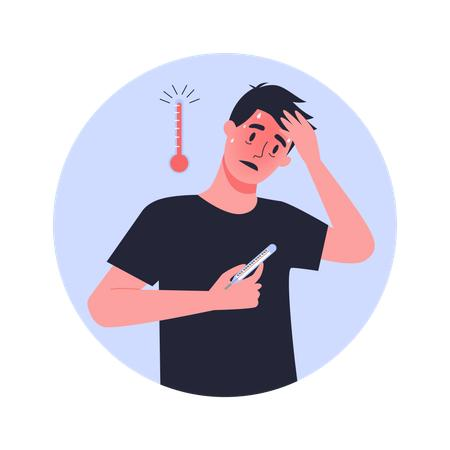
High fever
Fever often begins suddenly and may be accompanied by chills, weakness and a general feeling of being unwell.

Severe joint pain
Pain often affects several joints, particularly the hands, wrists, ankles and feet. It may be severe enough to limit movement and everyday activities.
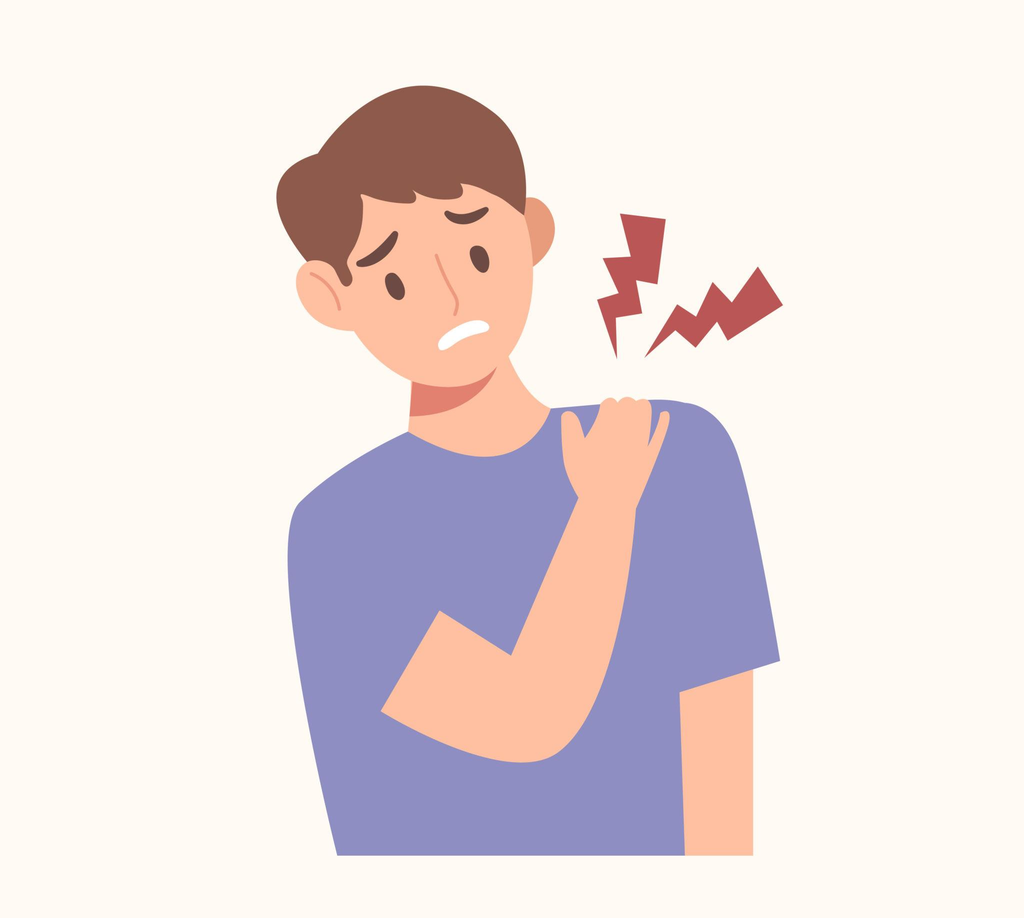
Muscle pain and fatigue
Muscle aches, marked tiredness and weakness can make routine physical activity difficult.
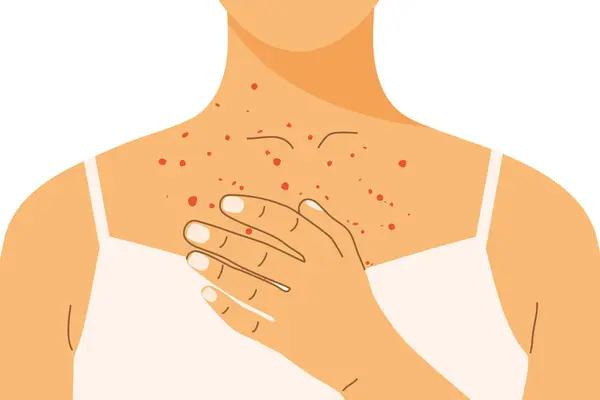
Skin rash
A rash may develop on the trunk or limbs. Some people also experience itching.
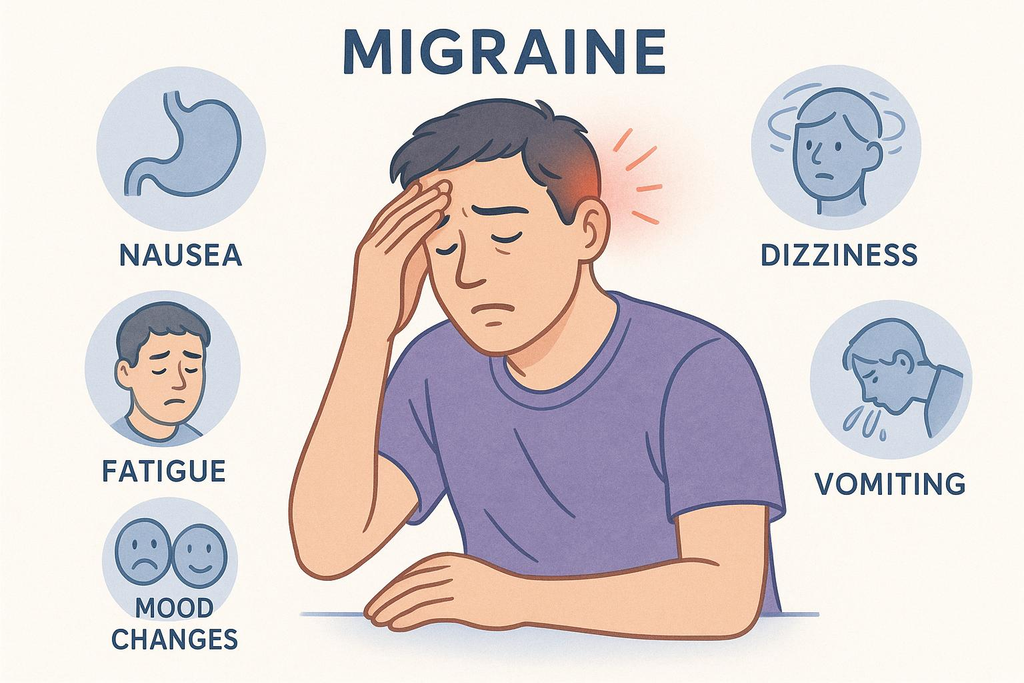
Headache and nausea
Headache, nausea and occasionally vomiting can accompany the fever and joint symptoms.
How long do symptoms last?
The acute illness often improves within approximately one to two weeks, although the duration varies. Joint pain can outlast the fever by a considerable margin. Some patients experience recurrent pain, stiffness or inflammatory joint symptoms for months or years, which can reduce mobility and productivity. Persistent symptoms do not necessarily mean that the virus is still actively replicating.
Who is at higher risk of severe disease?
Although chikungunya can affect anyone, particular care is needed for:
- Newborns, especially those exposed to infection around delivery.
- Older adults.
- People with underlying medical conditions, including cardiovascular disease or diabetes.
- People who develop neurological, cardiac, eye or other organ complications.
How is Chikungunya detected?
Diagnosis involves assessing symptoms, recent travel or residence in an affected area, possible mosquito exposure and laboratory test results. A healthcare professional may suspect chikungunya in a patient who develops sudden fever and severe joint pain after visiting an area where the virus circulates. However, the same presentation can occur with dengue and other infections.
Laboratory tests
The appropriate test depends largely on how long the person has been ill.
| Test | When it is most useful | What it detects |
| Reverese-transcription polymerase chain reaction (RT-PCR) | Usually during the first week of illness | Viral RNA in the blood |
| IgM antibody test | Usually from around the end of the first week onward | Antibodies produced in response to infection |
| Neutralising antibody testing | When confirmatory testing is required | Antibodies capable of neutralising the virus |
During the early acute phase, RT-PCR can identify viral genetic material before the antibody response becomes detectable. Later, antibody tests become more useful. If an early test is negative but suspicion remains high, a clinician may recommend a later blood sample. Positive IgM results may require confirmation because false-positive reactions can occur.
Why is early diagnosis important?
Accurate diagnosis helps clinicians distinguish chikungunya from dengue and other febrile illnesses, identify patients at risk of complications and provide appropriate supportive care. It also helps public health teams detect outbreaks and monitor the spread of infection. Testing availability and reporting procedures vary by country, so suspected cases should be assessed through local healthcare services.
Treatment of Chikungunya
There is currently no specific antiviral medicine that reliably cures chikungunya. Treatment is primarily supportive, meaning that it focuses on reducing fever and pain, maintaining hydration and helping the patient recover. The management plan depends on symptom severity, age, underlying health conditions and whether complications develop.
Rest and hydration
Patients should rest and drink sufficient fluids to replace losses caused by fever, sweating or vomiting. People who cannot keep fluids down, show signs of dehydration or become increasingly weak may need medical assessment and, in some cases, hospital treatment.
Pain and fever relief
Paracetamol (acetaminophen) is generally preferred for initial relief of fever and pain when chikungunya is suspected. Aspirin, ibuprofen and other non-steroidal anti-inflammatory drugs (NSAIDs) should be avoided until dengue has been ruled out, because they can increase the risk of bleeding in people with dengue. A healthcare professional can advise when other pain-relieving medicines are appropriate.
Managing persistent joint symptoms
For some patients, joint pain and stiffness continue after the fever has resolved. Depending on the clinical assessment, management may include supervised physical therapy, appropriate pain relief and treatment of persistent inflammatory symptoms. NSAIDs or other medicines may be considered by a clinician once dengue and other relevant contraindications have been assessed. Prolonged or worsening joint symptoms should be evaluated rather than automatically attributed to ongoing infection.
Are vaccines available for Chikungunya?
Yes. As of October 2026, two chikungunya vaccines are licensed in the United Kingdom:
- IXCHIQ: a live-attenuated vaccine initially licensed for adults aged 18 years and over, with subsequent safety-related restrictions.
- Vimkunya: a virus-like-particle vaccine licensed for people aged 12 years and older.
Licensing does not mean vaccination is appropriate for everyone or routinely recommended for every traveller. UK recommendations depend on the vaccine, individual health circumstances and travel or occupational risk. In particular, IXCHIQ requires careful consideration of contraindications, including certain immunosuppressive conditions. Travellers should consult an appropriate travel-health professional for current eligibility and recommendations. Vaccination does not replace mosquito-bite prevention.
How can Chikungunya be Prevented?
Because chikungunya is transmitted mainly by mosquitoes, prevention focuses on reducing mosquito bites, eliminating breeding sites and controlling mosquito populations. These measures are particularly important in areas experiencing outbreaks.
- Personal protection against mosquito bites
- Eliminate mosquito breeding sites
- Prevent onward transmission from an infected person
- Proper public health surveillance
References
World Health Organization. Chikungunya — Fact sheet. Updated 14 April 2025.
World Health Organization. Chikungunya — Questions and answers. 8 August 2025.
US Centers for Disease Control and Prevention. Clinical testing and diagnosis for chikungunya virus disease.
US Centers for Disease Control and Prevention. Treatment and prevention of chikungunya virus disease.
UK Health Security Agency. Chikungunya: symptoms, transmission, diagnosis, treatment and prevention.
UK Health Security Agency / Joint Committee on Vaccination and Immunisation. Chikungunya vaccine for UK travellers: JCVI advice.
Chikungunya, an epidemic arbovirosis. The Lancet Infectious Diseases. 2007;7(5):319–327.
Schwartz O, Albert ML. Biology and pathogenesis of chikungunya virus. Nature Reviews Microbiology. 2010;8:491–500.
Bartholomeeusen K, Daniel M, LaBeaud DA, et al. Chikungunya fever. Nature Reviews Disease Primers. 2023;9:17.
Yactayo S, et al. Epidemiology of chikungunya in the Americas. The Journal of Infectious Diseases. 2016;214(Suppl 5):S441–S445.
Chikungunya: an overview. Indian Journal of Medical Research. — supplementary background on the virus and its clinical features.
Chikungunya clinical overview. Caribbean Public Health Agency (CARPHA).
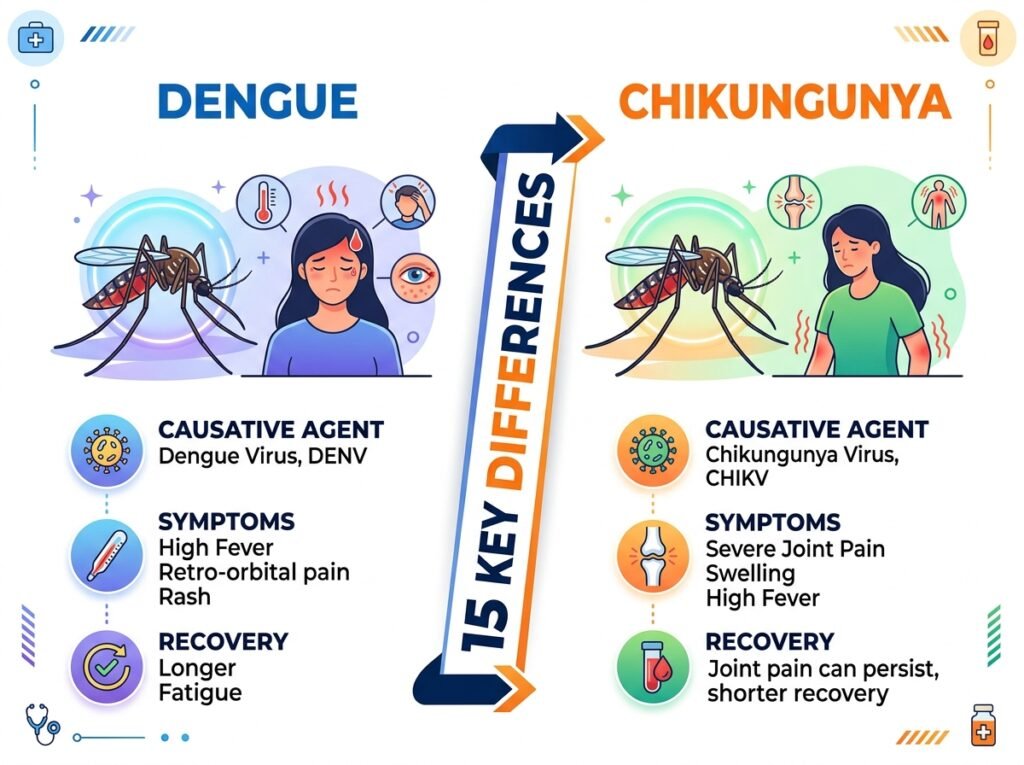
Pingback: The History of Chikungunya: From a 1952 Outbreak in Tanzania to a Global Mosquito-Borne Threat - Disease Buddy