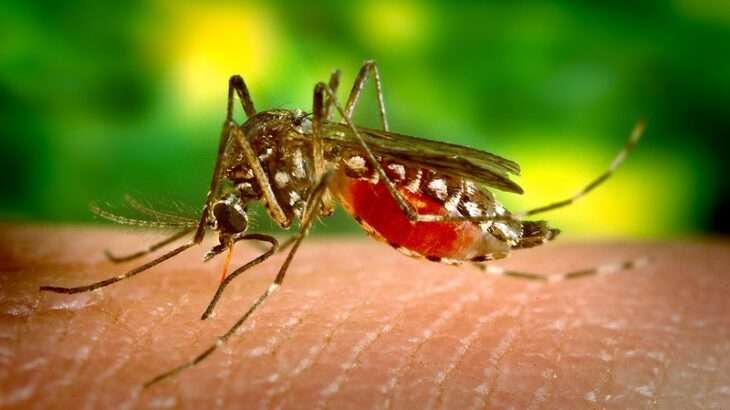
Dengue and malaria are two major mosquito-borne diseases that occur in many tropical and subtropical regions. Although both can cause fever and other similar symptoms, dengue is a viral infection caused by dengue virus, while malaria is a parasitic disease caused by Plasmodium species. Understanding the differences between dengue and malaria can help readers recognize their distinct symptoms, transmission patterns, diagnosis, treatment and prevention.
| Feature | Dengue | Malaria |
|---|---|---|
| Causative pathogen | Dengue virus (DENV) | Plasmodium parasites |
| Type of pathogen | Virus | Protozoan parasite |
| Main human pathogens | 4 serotypes: DENV-1, DENV-2, DENV-3, DENV-4 | 5 species infect humans; P. falciparum and P. vivax are the major threats |
| Main mosquito vector | Mainly Aedes aegypti; Aedes albopictus also transmits dengue | Anopheles mosquitoes |
| Mosquito biting pattern | Aedes mosquitoes commonly bite during the daytime | Anopheles mosquitoes mainly bite from dusk through night |
| Main disease location in the body | Systemic viral infection; severe disease can cause plasma leakage, bleeding and shock | Parasites infect red blood cells, causing destruction and potentially severe anaemia and organ dysfunction |
| Typical incubation period | Usually 4-10 days after infection | Usually around 10-15 days, although it varies by species |
| Characteristics symptoms | High fever, severe headache, pain behind the eyes, muscle/joint pain and rash | Fever, chills, sweats, headache, weakness and body aches |
| Fever pattern | Often a high, relatively continuous fever; warning signs can appear as fever subsides | Fever can occur with chills and sweats and may show periodic patterns depending on the parasite species |
| Diagnosis | Tests may detect dengue viral antigen (NS1), viral RNA or antibodies, depending on illness stage | Blood smear microscopy is fundamental; rapid diagnostic tests and molecular tests can also be used |
| Treatment | No specific antiviral treatment; management is mainly supportive | Specific antimalarial medicines are available, selected according to species, severity and resistance patterns |
| Major severe complication | Plasma leakage → shock, severe bleeding and organ impairment | Cerebral malaria, severe anaemia, respiratory distress, kidney injury and organ failure |
| Prevention | Mainly Aedes mosquito control and avoiding daytime mosquito bites; vaccines are available in some settings | Mosquito control, bed nets, repellents and antimalarial prevention medicines for appropriate travellers/high-risk groups; malaria vaccines are also used in some endemic settings |
| Typical blood-cell effect | Can cause low platelet count (thrombocytopenia) | Commonly causes anaemia due to destruction of red blood cells |
| Human-to-human transmission | Not normally spread directly between people; transmission is mainly through mosquitoes | Not normally spread directly between people; transmission is mainly through mosquitoes, but can also occur through contaminated blood, shared needles, or from mother to baby |
Dengue
What is dengue?
Dengue is a mosquito-borne viral infection caused by dengue virus (DENV). There are four major serotypes: DENV-1, DENV-2, DENV-3 and DENV-4.
What causes dengue?
Dengue is caused by infection with one of four dengue virus serotypes. A person can be infected more than once because immunity to one serotype does not provide complete protection against the others.
How is dengue transmitted?
Dengue is transmitted primarily through the bite of infected Aedes mosquitoes, especially Aedes aegypti.
Dengue Symptoms
Common symptoms include high fever, severe headache, pain behind the eyes, muscle and joint pain, nausea, vomiting and rash.
Dengue incubation period
Symptoms typically begin 4–10 days after infection and generally last 2–7 days.
How severe is dengue?
Severe dengue can cause plasma leakage, shock, severe bleeding and organ impairment. Warning signs often appear around the time the fever subsides.
How is dengue diagnosed?
Diagnosis can involve molecular tests such as NAAT/PCR, NS1 antigen testing and IgM antibody testing, depending on the stage of illness.
Dengue treatment
There is currently no specific antiviral treatment. Management focuses on supportive care, hydration, monitoring and appropriate pain/fever management.
How to prevent dengue
Prevention focuses heavily on avoiding mosquito bites and reducing Aedes breeding sites. Measures include repellents, protective clothing, screens and eliminating stagnant water.
Dengue worldwide
WHO estimates 100–400 million dengue infections annually, with about half of the world’s population at risk. DiseaseBuddy also highlights the dramatic rise in reported cases and dengue’s expansion into new regions.
Malaria
What is Malaria?
Malaria is a potentially life-threatening infectious disease caused by Plasmodium parasites and transmitted mainly through infected female Anopheles mosquitoes.
What causes Malaria?
Five Plasmodium species can cause malaria in humans. P. falciparum and P. vivax pose the greatest global threat.
How is malaria transmitted?
Malaria is primarily transmitted when an infected female Anopheles mosquito bites a person. Rare transmission can also occur through contaminated blood, shared needles or congenital transmission.
Malaria symptoms
Typical early symptoms include fever, chills and headache. Muscle aches, tiredness, nausea, vomiting and diarrhoea can also occur.
Malaria incubation period
Symptoms commonly begin around 10–15 days after an infective mosquito bite, although the timing varies by parasite species and individual circumstances.
How severe is Malaria?
Untreated malaria can progress rapidly to severe anaemia, cerebral malaria, kidney failure, respiratory problems, coma, multi-organ failure and death.
How is malaria diagnosed?
Diagnosis is based on laboratory testing, particularly blood-smear microscopy and rapid diagnostic tests; molecular tests can also be used.
Malaria treatment
Malaria is curable with appropriate antimalarial medicines. Artemisinin-based combination therapies are the mainstay for P. falciparum malaria. Treatment depends on parasite species, severity, geographic origin and drug resistance.
How to prevent malaria?
Prevention includes mosquito control, insecticide-treated bed nets, repellents and preventive antimalarial medicines. Malaria vaccines are now also part of prevention strategies in some endemic settings.
Malaria worldwide
WHO estimates 282 million malaria cases and 610,000 deaths in 2024, with almost half the world’s population at risk. About 95% of malaria deaths occurred in the WHO African Region.