
What is Chagas Disease?
Chagas disease is a parasitic infection caused by Trypanosoma cruzi, first identified in 1909 by Carlos Chagas. It remains a significant public health concern, with an estimated 8 million people infected globally and over 12,000 deaths reported annually.
The disease is predominantly endemic in South America, Central America, and Mexico, reflecting its strong geographic association with Latin America. However, sporadic cases have also been identified in the southern United States, indicating a limited but notable spread beyond its traditional endemic regions.
What is the cause of Chagas Disease?
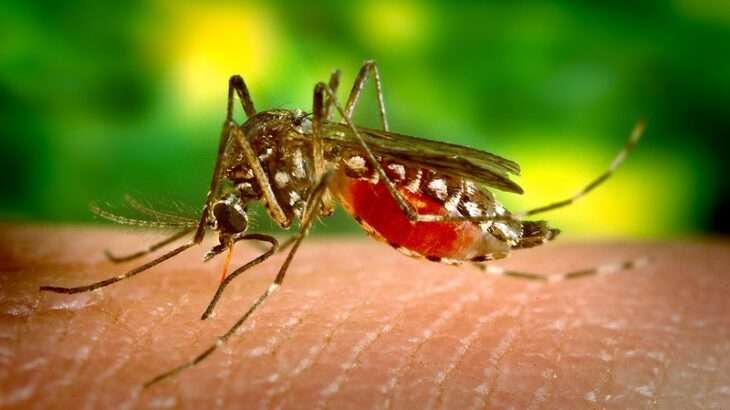
Chagas disease is caused by Trypanosoma cruzi, a parasitic protozoan belonging to the group of kinetoplastid organisms. It is transmitted through contact with the feces of infected triatomine insects, commonly referred to as “kissing bugs.” These vectors typically inhabit cracks in walls and roofs of poorly constructed housing made from materials such as mud, straw, or palm thatch. Their close association with substandard living conditions facilitates human exposure, making environmental and housing factors critical in disease transmission.
The parasite has a complex life cycle involving:
- Triatomine insects (commonly called kissing bugs)
- Humans and other mammals
Symptoms of Chagas Disease
Chagas disease progresses through two distinct clinical stages—acute and chronic—both of which may remain asymptomatic in some individuals, while others develop significant complications over time.

Acute phase (weeks to months):
Often mild or asymptomatic, but when present, symptoms may include:
- Swelling at the infection site
- Fever
- Tiredness
- Rash
- Body aches
- Eyelid swelling
- Headache
- Loss of appetite
- Nausea, diarrhea, or vomiting
- Swollen glands
- Enlarged liver or spleen
Chronic phase (long-term):
Typically asymptomatic for years or lifelong; however, approximately 20–30% of individuals develop serious complications, including:
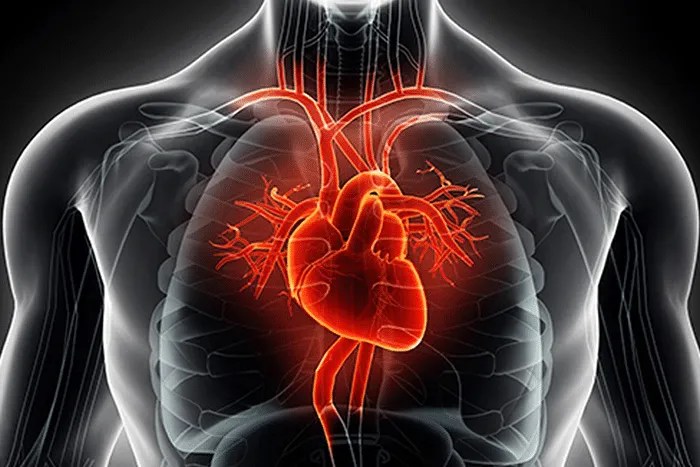
- Cardiac manifestations: enlarged heart, heart failure, abnormal heart rhythm, or sudden death
- Gastrointestinal complications: enlarged esophagus or colon, causing difficulty in swallowing or bowel movements
Overall, while early-stage disease is often mild, the chronic phase carries a substantial risk of severe, life-altering outcomes.
Diagnostics and Treatment of Chagas Disease
Chagas disease diagnosis relies on confirmation through laboratory testing, typically using a blood sample assessed by a healthcare provider.
Treatment is most effective in the early (acute) phase, where antiparasitic medications such as Benznidazole and Nifurtimox can eliminate the parasite and achieve cure, including in congenital cases.
In the chronic phase, these treatments are no longer curative but may help delay disease progression and reduce the risk of severe complications. Their use in adults requires careful consideration due to prolonged treatment duration and potential adverse effects. In advanced chronic stages, particularly when cardiac or gastrointestinal complications develop, management typically involves long-term medical care and, in some cases, surgical intervention.
Can Chagas Disease Be Cured?
The possibility of cure depends on:
- Age of the patient
- Stage of infection
- Time since infection occurred
Children and people treated early have the highest chance of eliminating the parasite.
In adults with chronic infection, treatment may reduce parasite activity and slow disease progression, although existing organ damage may not always be reversible.
Prevention of Chagas Disease
There is currently no widely available vaccine against Chagas disease. However, transmission can be reduced by using following methods:
- Vector Control: Methods of controlling triatomine bugs include improving housing conditions, insecticide spraying, reducing insect hiding places, and using protective barriers.
- Blood Screening: Transmission through transfusion can be prevented by screening donated blood.
- Screening During Pregnancy: Congenital transmission can be prevented by testing women at risk through early detection.
- Food Safety: Avoiding contamination of food is one of the methods of prevention through foodborne transmission.
References
https://www.who.int/news-room/fact-sheets/detail/chagas-disease-(american-trypanosomiasis)
https://www.mayoclinic.org/diseases-conditions/chagas-disease/symptoms-causes/syc-20356212
https://world-heart-federation.org/what-we-do/chagas-disease
https://www.cdc.gov/chagas/about/index.html
Ryan Winters, Tina Nguyen, & Muhammad Waseem. (2025). Chagas disease. In StatPearls. StatPearls Publishing. Retrieved from NCBI Bookshelf.
Pingback: Chagas Disease – A Silent Threat to South America