
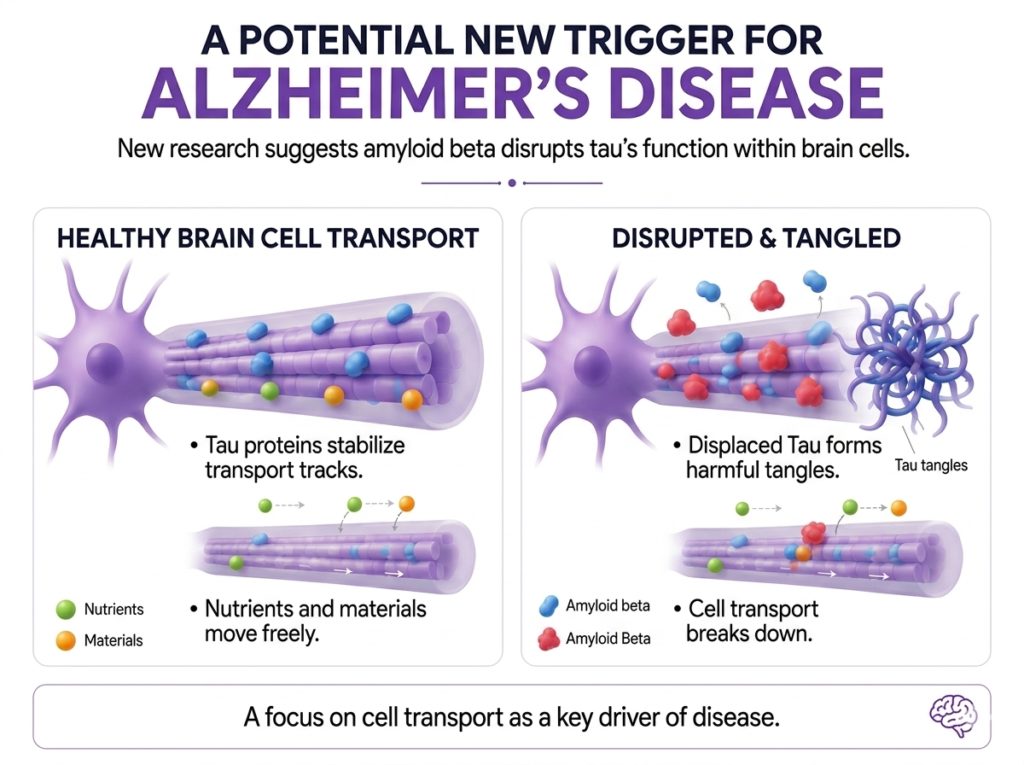
ALZHEIMER’S DISEASE
Alzheimer’s disease is a progressive neurodegenerative disorder that gently strips away memory, thinking skills, and the ability to carry out simple daily tasks. It is the most common cause of dementia among older adults, gradually impacting the parts of the brain that control thought, memory, and language.
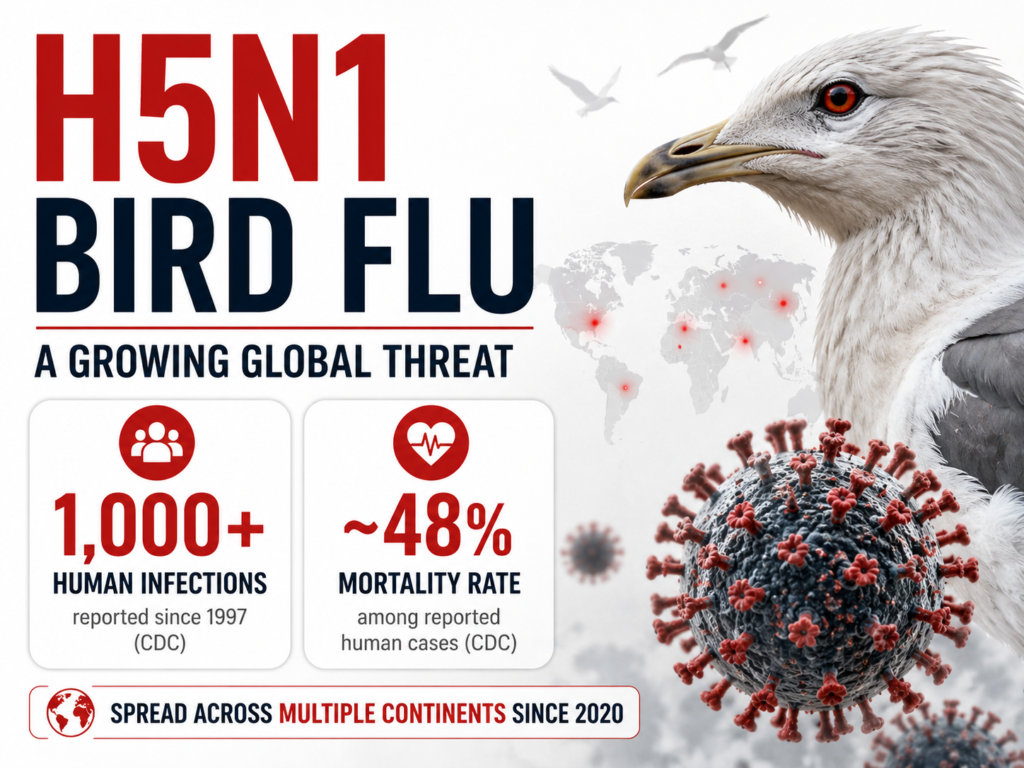
BIRD FLU
Bird flu is an influenza virus that mainly infects birds but can occasionally spread to humans and other animals. Some strains, such as H5N1, can cause severe illness and are closely monitored for their pandemic potential.
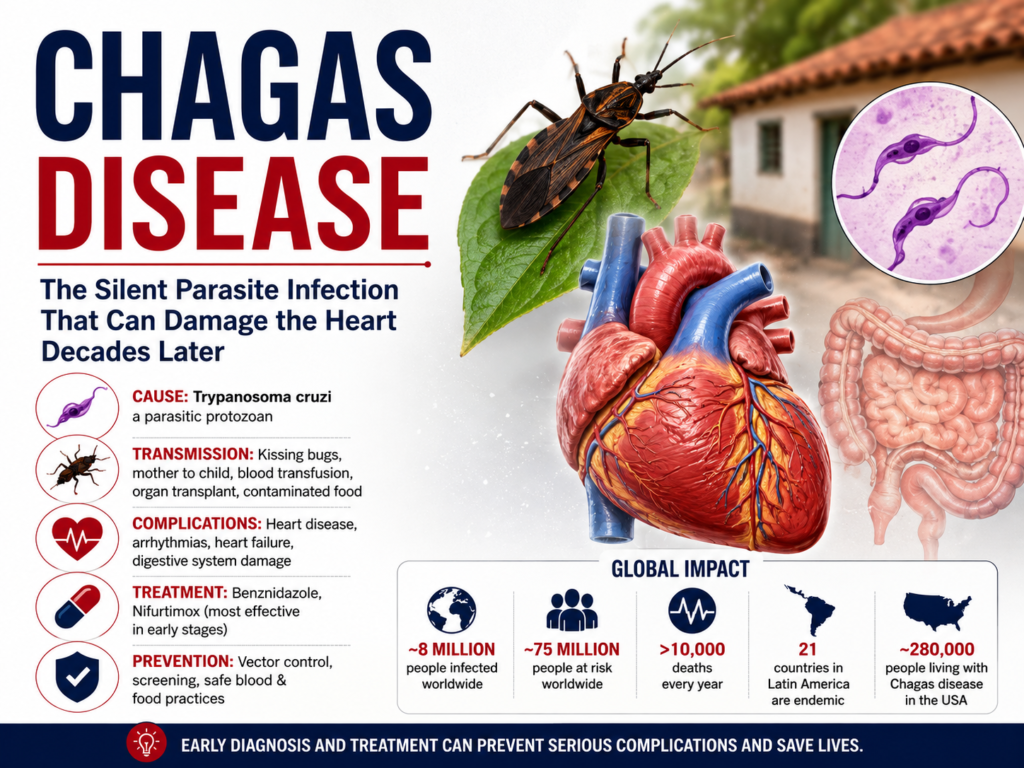
CHAGAS DISEASE
Chagas disease is a parasitic infection caused by Trypanosoma cruzi. It remains a significant public health concern, with an estimated 8 million people infected globally.
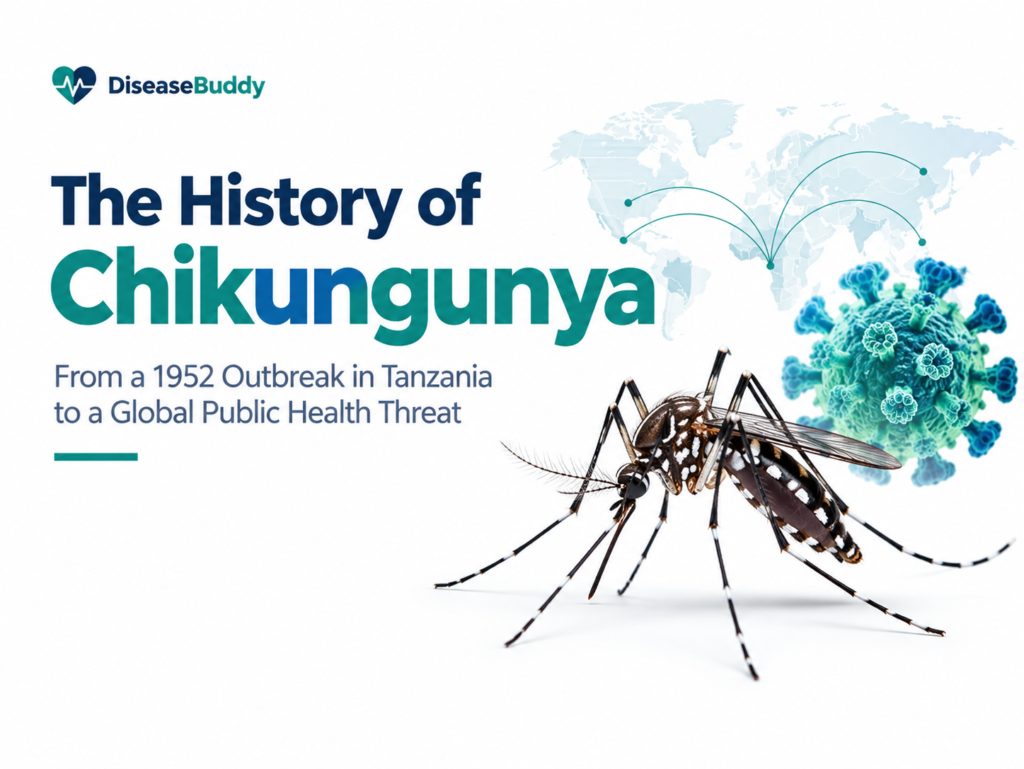
CHIKUNGUNYA
Discover the history of chikungunya, from its identification in Tanzania in 1952 to major outbreaks across the Indian Ocean, Asia, Europe and the Americas. Explore key epidemiological data, the 2005–2006 La Réunion epidemic, viral evolution and the global public health challenges posed by this mosquito-borne disease.
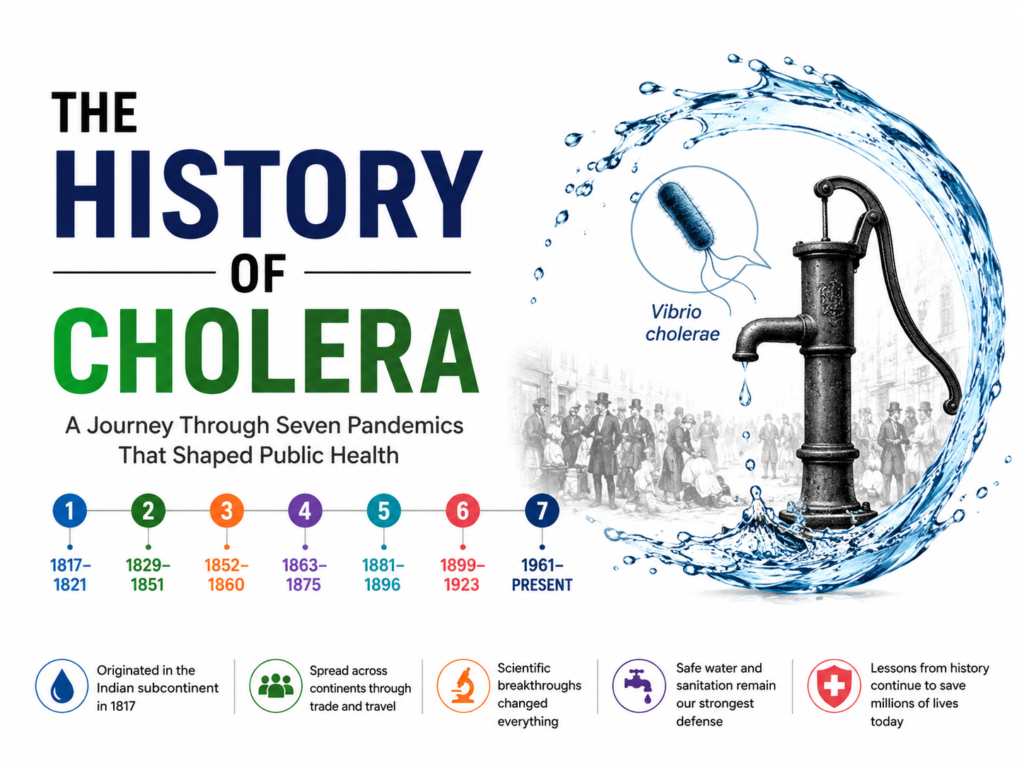
CHOLERA
Cholera is one of the most consequential diseases in the history of public health. For centuries, severe diarrhoeal illnesses resembling cholera were reported in different parts of the world
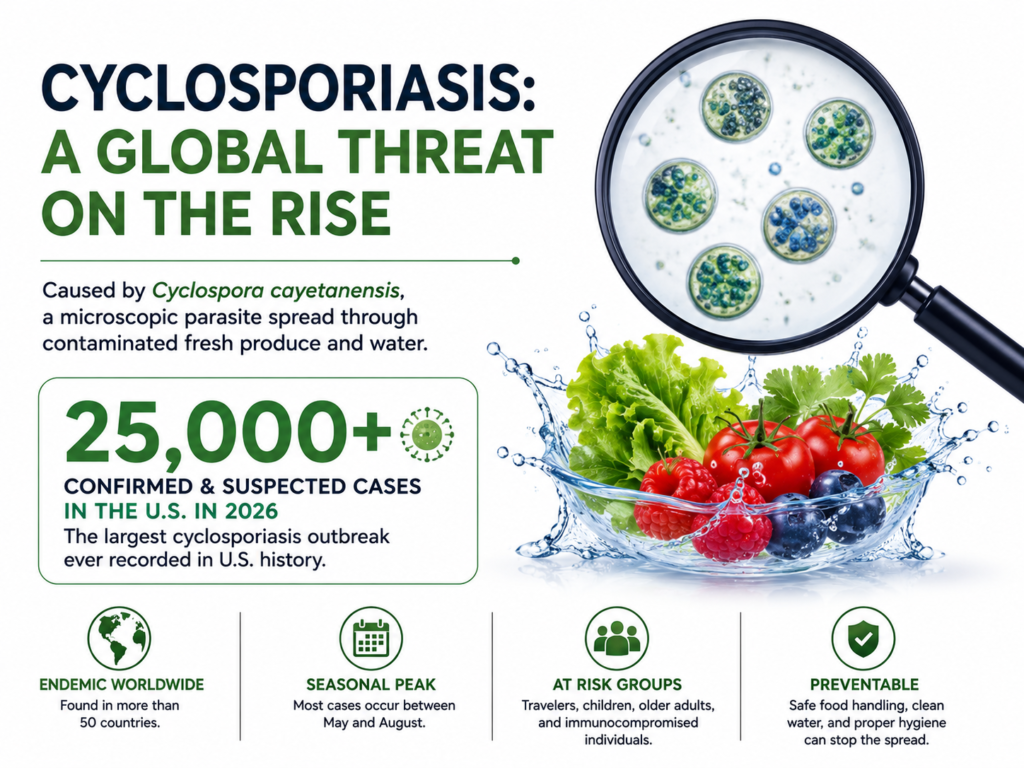
CYCLOSPORIASIS
Cyclosporiasis is a foodborne intestinal infection caused by the microscopic parasite Cyclospora cayetanensis. It commonly causes prolonged watery diarrhea, abdominal cramps, nausea, fatigue and weight loss. Learn about its causes, transmission, symptoms, diagnosis, treatment, prevention and the latest 2026 outbreak.
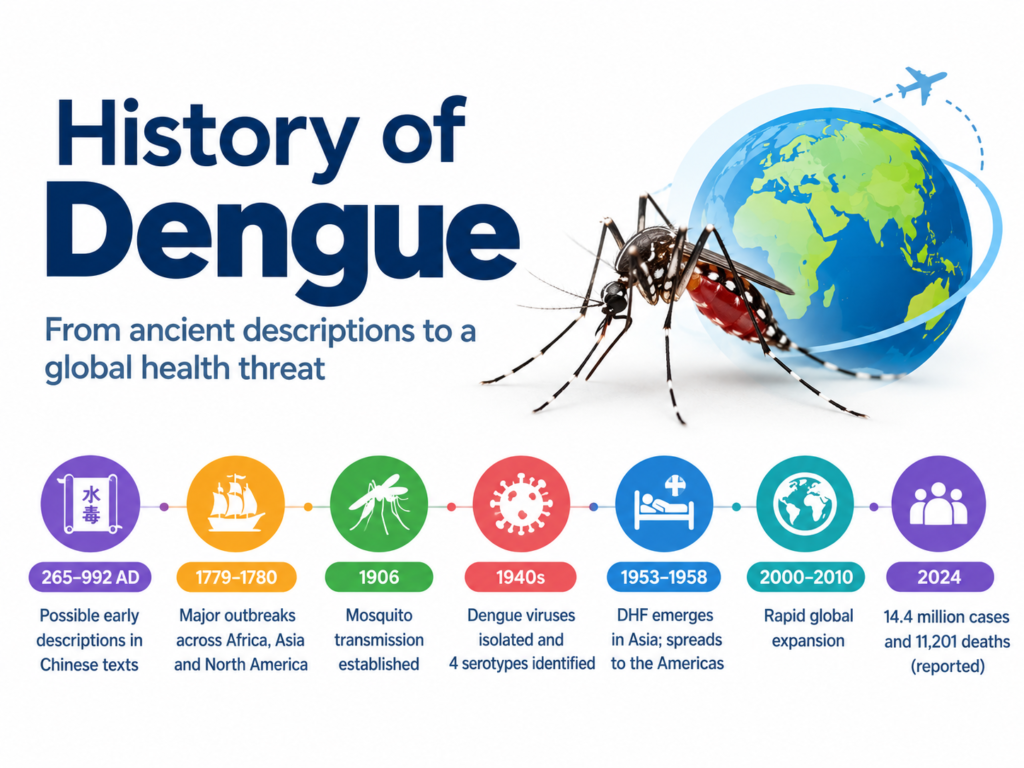
DENGUE
Dengue is now one of the world’s most important mosquito-borne viral diseases. Its history stretches from poorly understood fever outbreaks to a global disease involving 4 virus serotypes, 100-400 million infections annually, and more than 14 million reported cases in 2024.
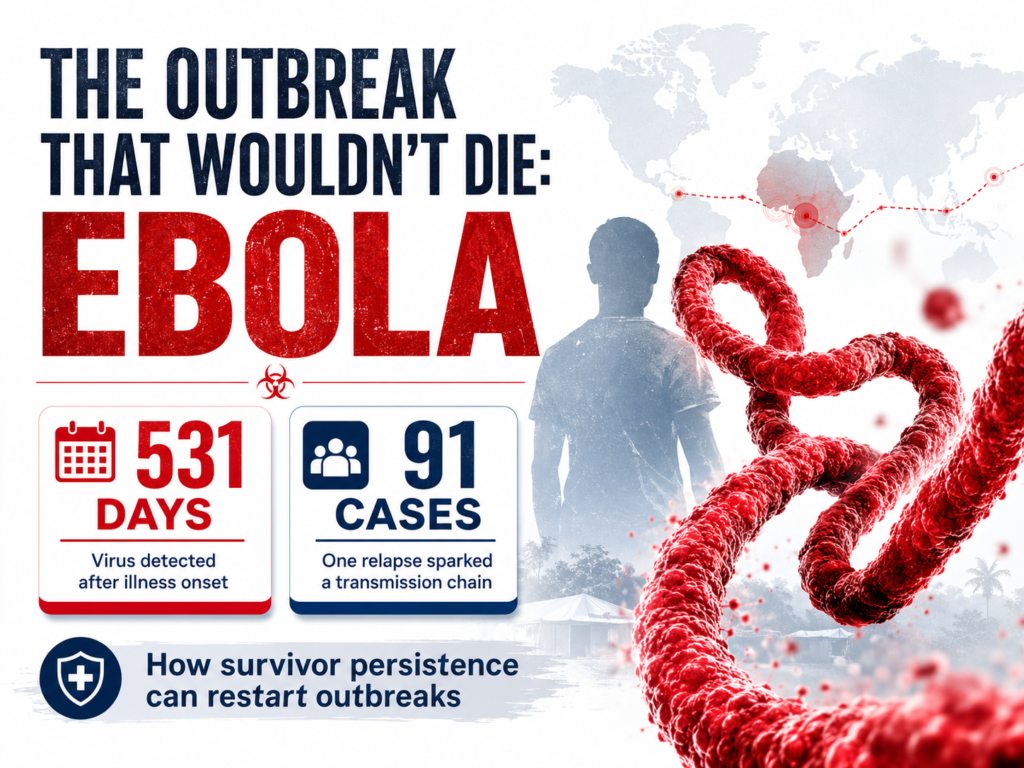
EBOLA
Ebola is a severe viral hemorrhagic disease that spreads through direct contact with infected bodily fluids. It can cause fever, weakness, vomiting, bleeding, and has been responsible for several major outbreaks in Africa.
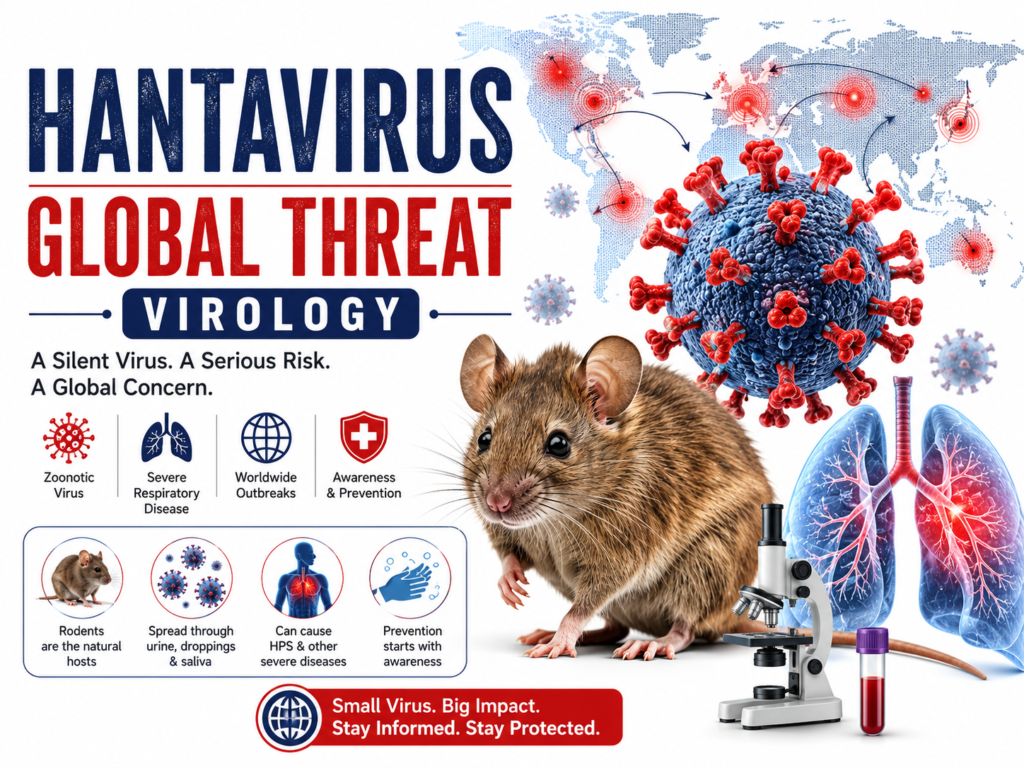
HANTAVIRUS
Hantavirus is a group of viruses carried by rodents and transmitted to humans through contact with infected rodent droppings, urine, or saliva. Infection can lead to serious respiratory or kidney-related diseases.
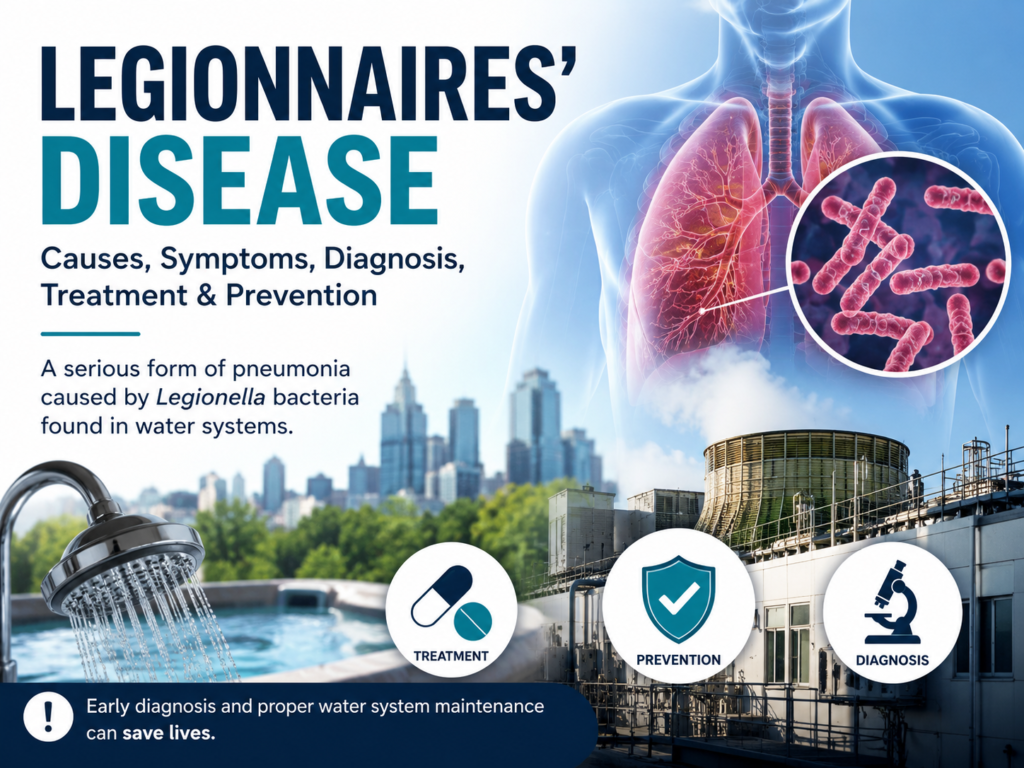
LEGIONNAIRES’ DISEASE
Legionnaires’ disease is a severe form of pneumonia caused by Legionella bacteria, often linked to contaminated water systems. Learn about its causes, symptoms, risk factors, diagnosis, treatment, prevention, and notable outbreaks.
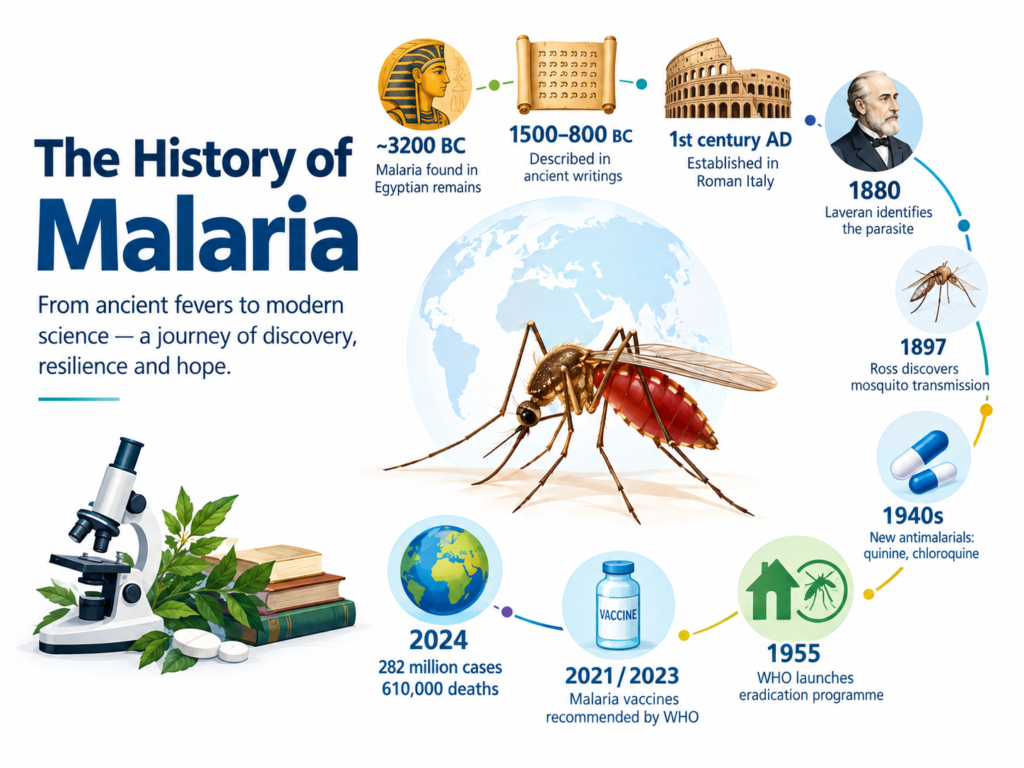
MALARIA
Malaria is one of humanity’s oldest infectious diseases. The history of malaria stretches from ancient civilizations to modern molecular epidemiology, and its distribution has changed dramatically over time.
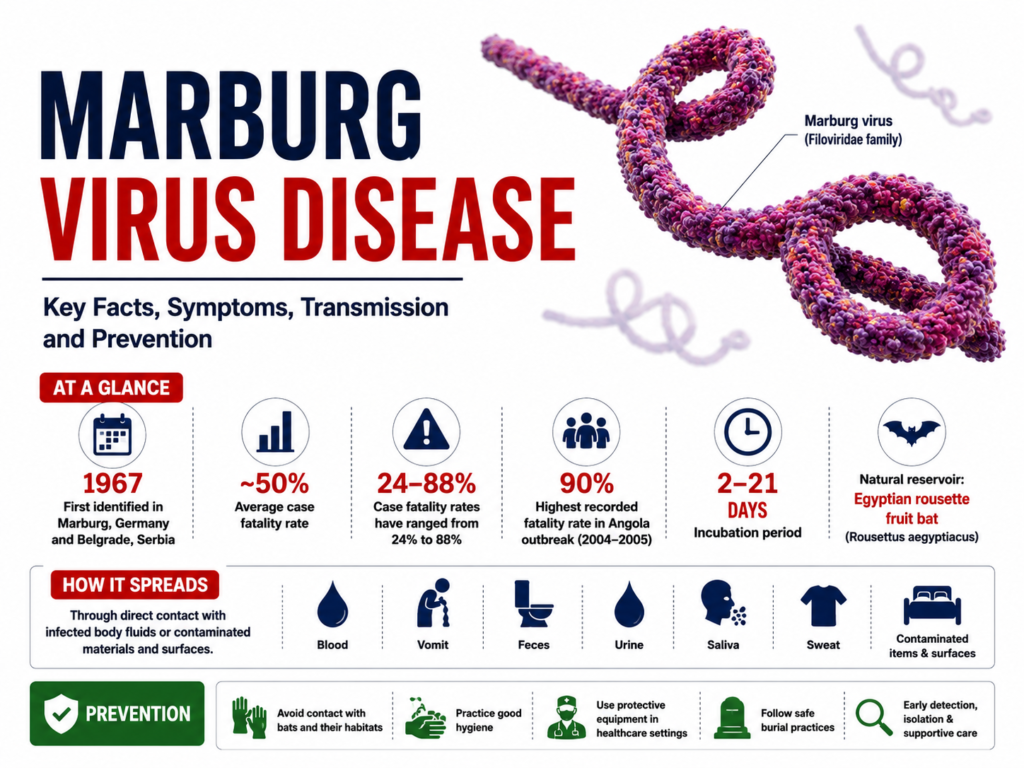
MARBURG VIRUS
Marburg virus disease (MVD) is a rare but highly severe viral haemorrhagic fever caused by Marburg virus, member of the Filoviridae family. Learn about its causes, transmission, symptoms, diagnosis, treatment and prevention.
MEASLES
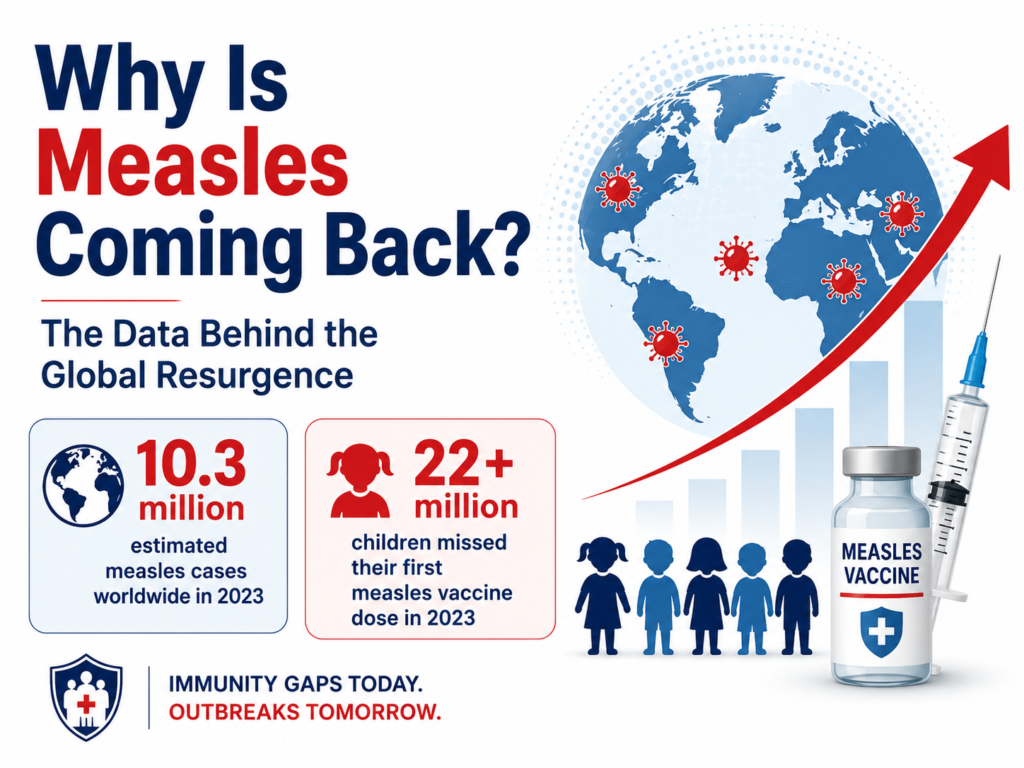
Measles is a highly contagious viral disease that spreads through respiratory droplets and can cause fever, rash, cough, and serious complications such as pneumonia and encephalitis. Vaccination remains the most effective way to prevent infection.
OROPOUCHE VIRUS
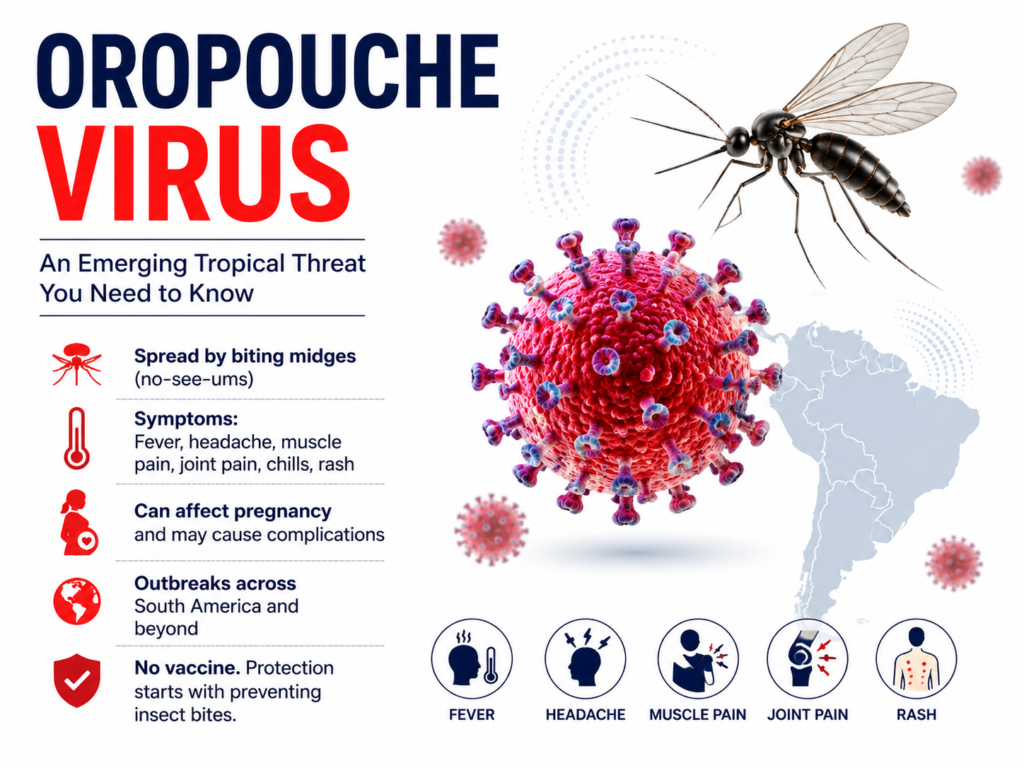
Oropouche virus is a mosquito and midge-borne virus that causes Oropouche fever, a tropical disease affecting parts of South and Central America. Learn about its symptoms, transmission, outbreaks, diagnosis, treatment, and prevention.
NOROVIRUS
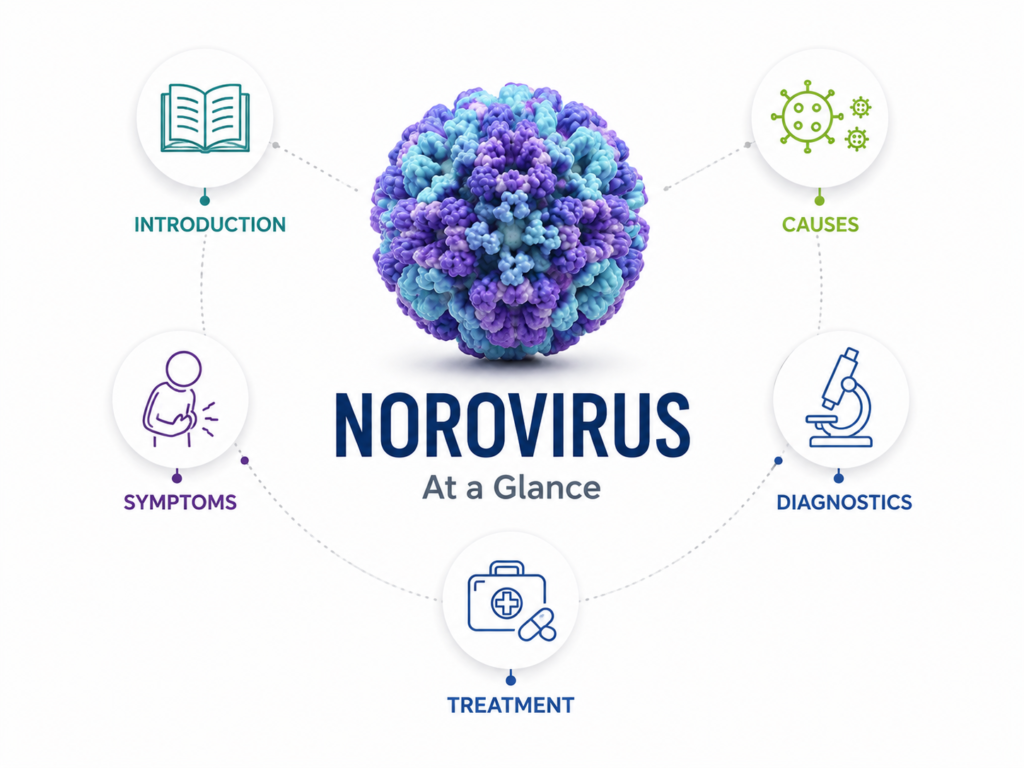
Norovirus is a highly contagious virus that causes acute gastroenteritis, leading to symptoms such as vomiting, diarrhea, stomach cramps, nausea, and sometimes fever. It spreads easily through contaminated food, water, surfaces, or close contact with infected individuals.
PARKINSON’S DISEASE
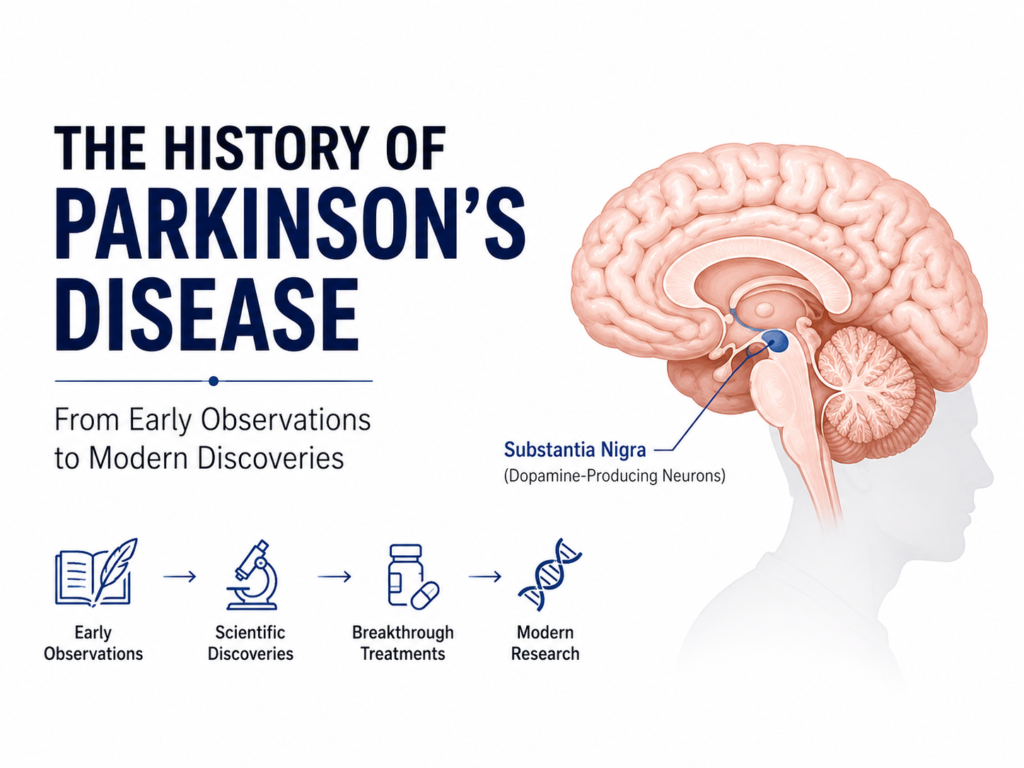
Parkinson’s disease is a progressive neurological disorder that affects movement, coordination, and daily activities. Learn about its causes, symptoms, risk factors, diagnosis, treatment options, and the latest research into managing this condition.
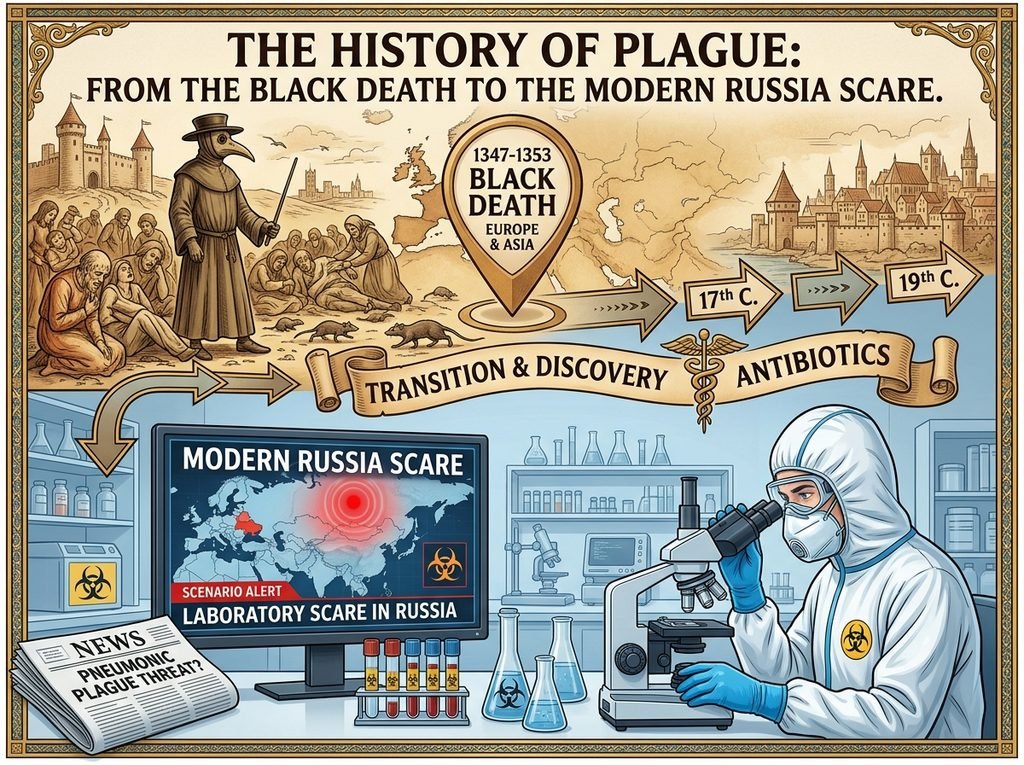
PLAGUE
Plague has shaped human history for centuries. From the Black Death to modern outbreaks, these details show how Yersinia pestis remains a public-health concern.
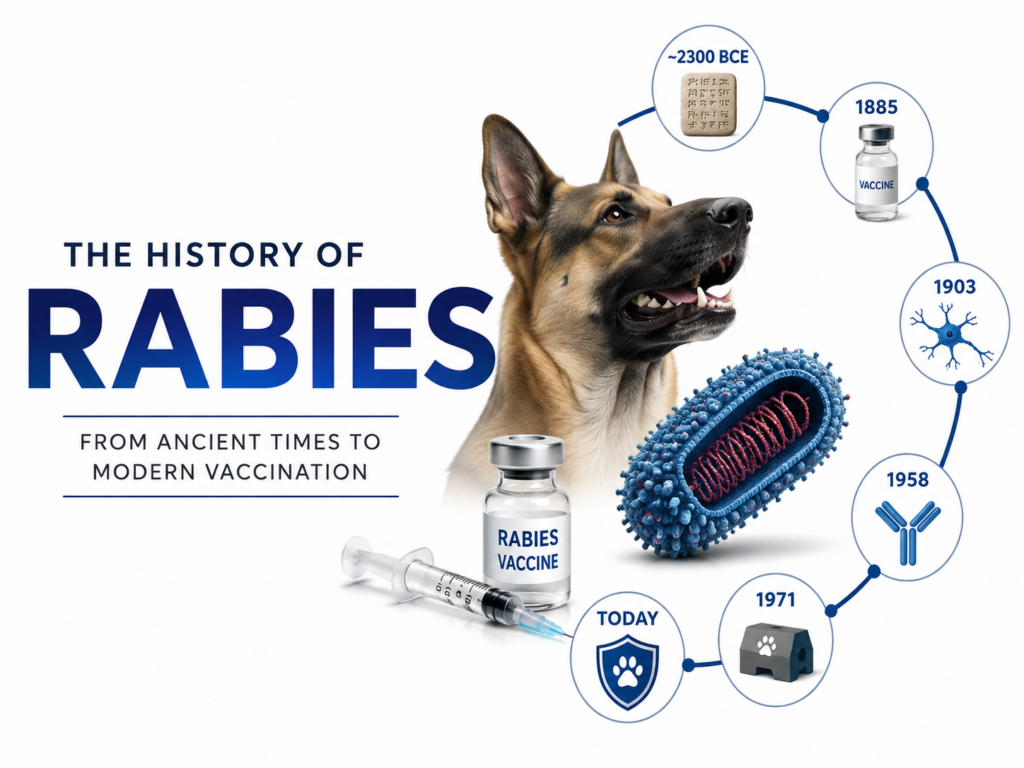
RABIES
Rabies is one of the oldest infectious diseases known to humans. For thousands of years, people have feared the disease because of its dramatic neurological symptoms and almost inevitable death once clinical signs appear.
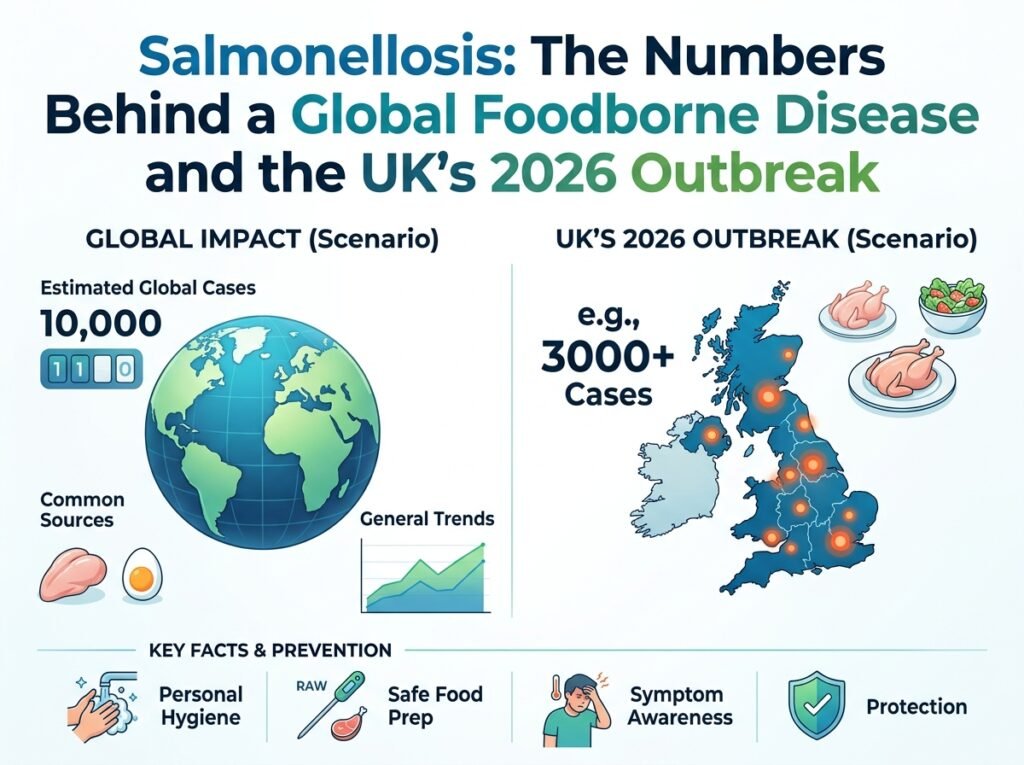
SALMONELLOSIS
Salmonellosis is one of the world’s most important foodborne bacterial infections. It is caused by Salmonella bacteria, and closely associated with contaminated food, poultry, eggs and contact with infected animals.
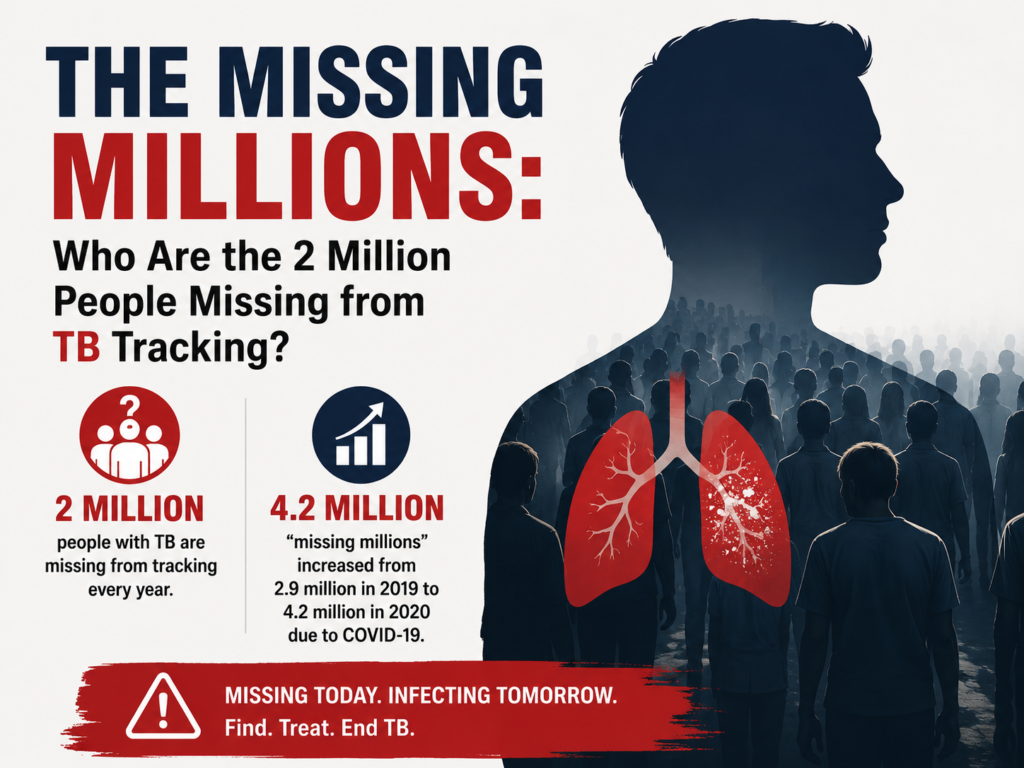
TUBERCULOSIS
Tuberculosis (TB) is a bacterial disease caused by Mycobacterium tuberculosis, primarily affecting the lungs. It spreads through the air when an infected person coughs or sneezes and remains one of the world’s leading infectious killers.